When a tooth can’t be saved or when a dental problem requires more than a filling or crown, surgical treatment is the next step. At Amity Dentistry, we provide patients with oral surgery and surgical dentistry in Charlotte, NC with proper examination of their conditions.
Dr. Shrestha handles all surgical procedures personally with no referrals to unfamiliar specialists and no bouncing between offices.
Call (980) 423-1244 to schedule a consultation or same-day emergency visit.
We serve patients throughout Charlotte and the surrounding areas of SouthPark, Ballantyne, Matthews, Pineville, Steele Creek, and South End. Our office is 10 minutes from SouthPark and easily accessible from Pineville.
We are family-owned and trusted by 150+ Charlotte families.
We extract teeth that are too damaged, decayed, or crowded to stay in place safely. Most simple extractions are done in a single visit. We use local anesthesia and work carefully to keep the procedure as comfortable as possible.
Reasons a tooth may need extraction:
We discuss replacement options like implants or bridges before extraction, so you have a clear plan going forward.
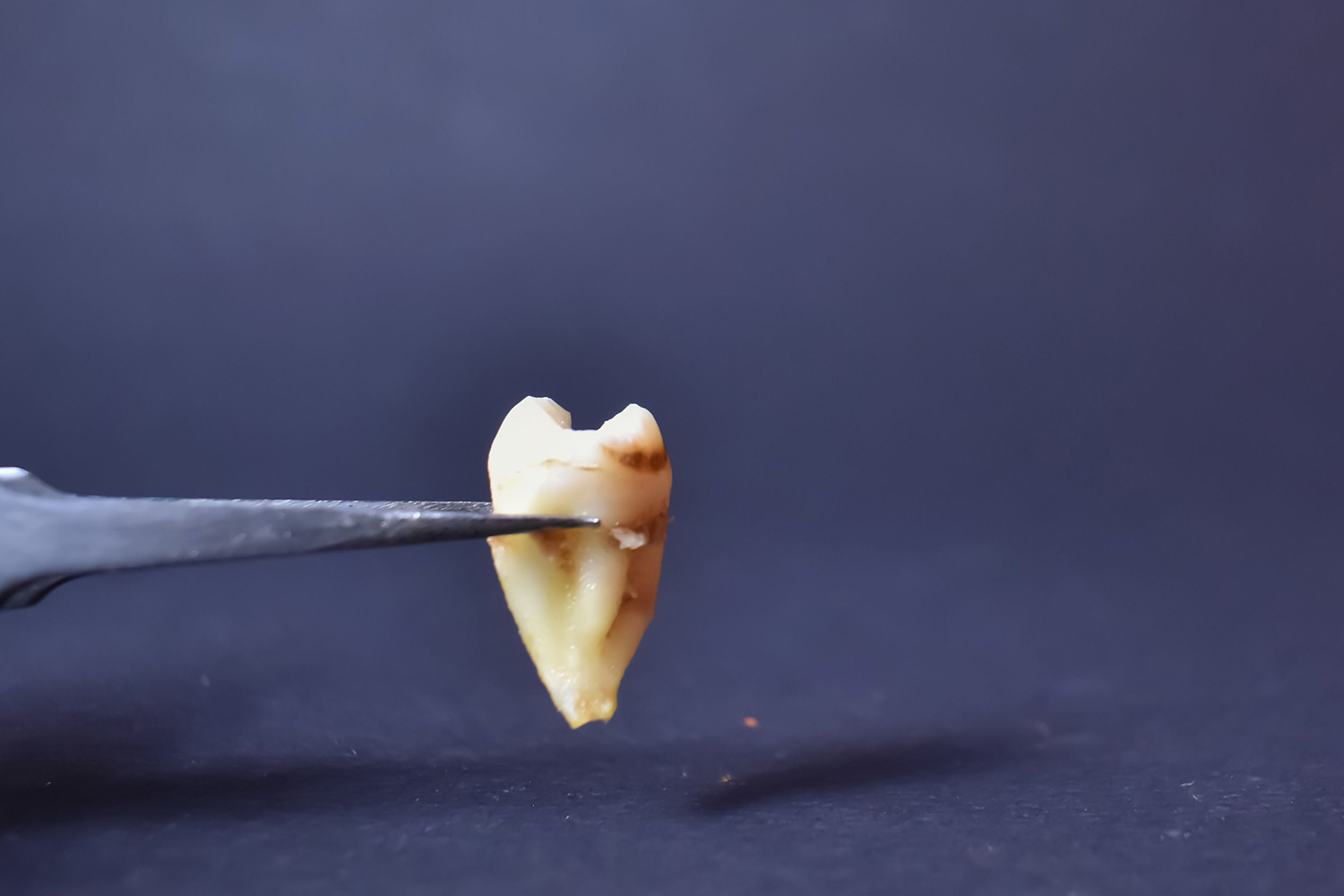
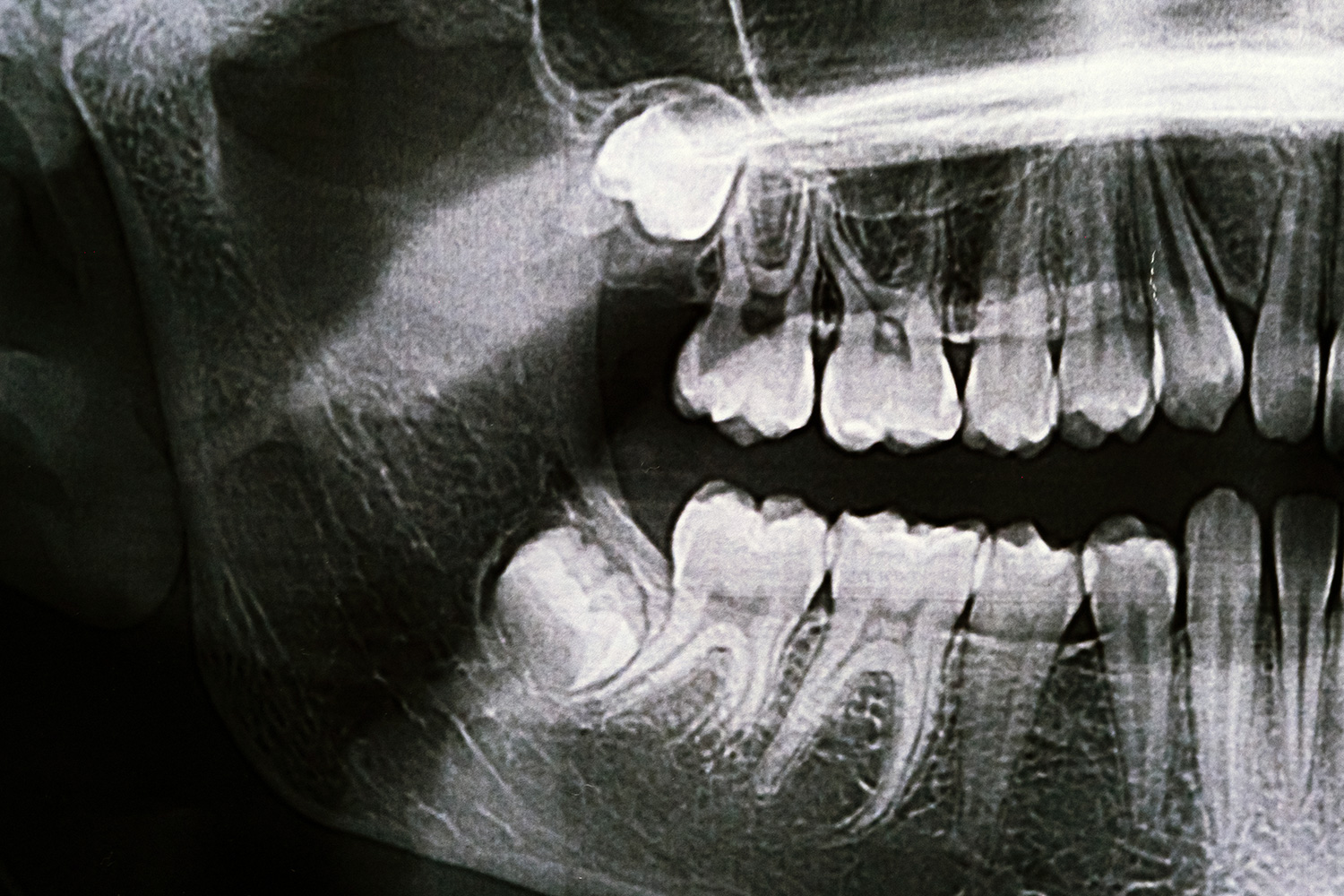
Wisdom teeth often cause problems when they don’t have room to erupt properly. They can push against adjacent teeth, become partially impacted, or lead to infection and pain.
We evaluate wisdom teeth with same-day digital X-rays and recommend removal when:
Most wisdom tooth removals are completed in the office. Sedation options are available.
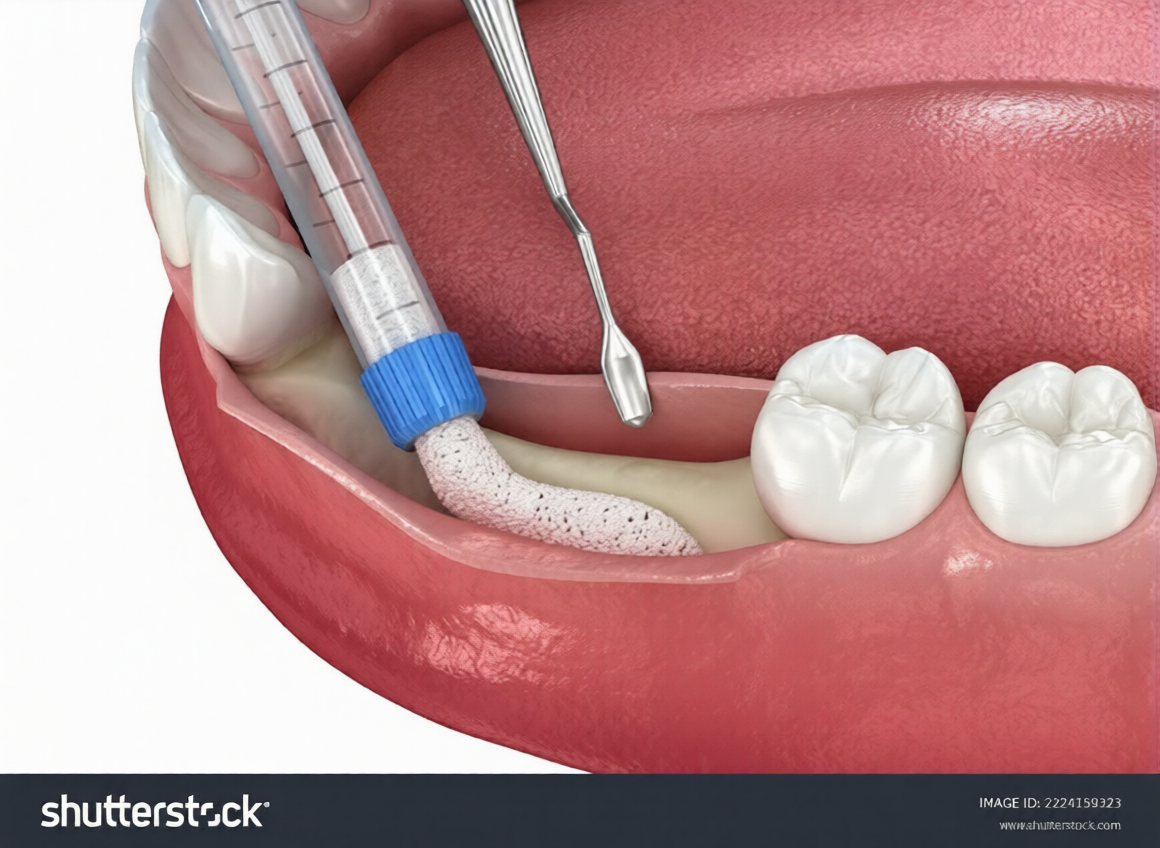
When a tooth is lost or extracted, the bone underneath begins to shrink. Bone grafting rebuilds that volume so dental implants can be placed successfully.
We perform bone grafts using safe, well-established materials. The graft site heals over several months before implant placement. We walk you through the timeline so you know what to expect at each stage.
Some teeth, usually canines, become impacted and fail to erupt on their own. Surgical exposure uncovers the tooth, so orthodontic brackets can guide it into the correct position. Our team coordinates directly with you throughout your treatment journey.
Advanced gum disease sometimes requires surgical treatment. Flap surgery involves lifting the gums to remove tartar deposits deep below the gum line, then repositioning the gums to fit snugly around teeth.
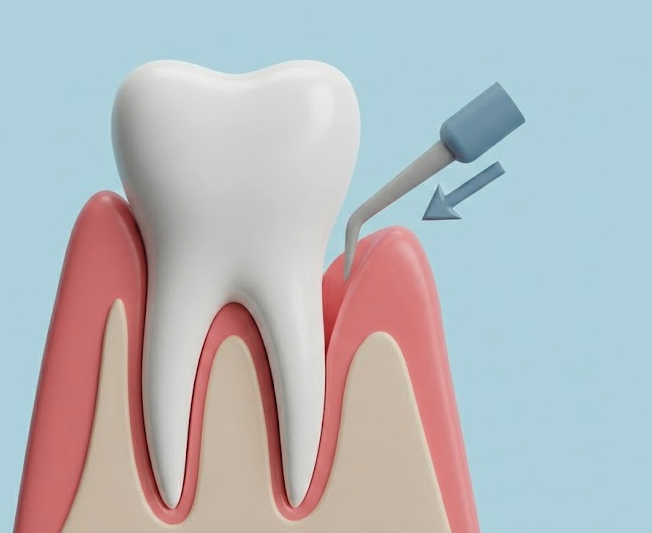
Gum grafting treats recession where gum tissue has pulled away from teeth, exposing roots. This can cause sensitivity and increase decay risk. During grafting, we take tissue from another area of your mouth or use donor tissue to cover exposed roots.
Proper preparation improves surgical outcomes. We review your medical history, current medications, and any conditions that might affect healing. Certain medications may need adjustment before surgery. We provide specific pre-surgical instructions including fasting requirements if sedation will be used.
Things to consider before starting the treatment:
We provide detailed pre-operative instructions when you schedule. Open communication ensures safe, successful treatment.

Following post-surgical instructions carefully promotes healing and prevents complications. This typically includes resting for the first 24 hours, applying ice to reduce swelling, taking prescribed medications as directed, eating soft foods, avoiding smoking and alcohol, and keeping the surgical area clean without disturbing it.
We schedule follow-up appointments to monitor healing and remove sutures if needed. Contact us immediately if you experience excessive bleeding, severe pain not controlled by medication, signs of infection, or other concerning symptoms.
Some dental emergencies, like a severely infected tooth, a broken tooth with root damage, or an impacted tooth causing acute pain, need surgical treatment fast. Amity Dentistry provides same-day emergency surgical dental care for patients of all ages in Charlotte.
Dr. Shrestha personally handles all emergency cases. Digital X-rays are available on the same day for immediate diagnosis.