Gum disease is the leading cause of tooth loss in adults, and most people who have it don’t know until it’s progressed. At Amity Dentistry, we screen for gum disease at every routine exam and treat it at every stage from early gingivitis to more advanced periodontitis, for patients in Charlotte, Pineville, Matthews, and surrounding communities.
Treating gum disease early is significantly less invasive than treating it late. If you’ve noticed bleeding gums, persistent bad breath, gum recession, or tooth sensitivity, don’t wait to get it checked.
Call (980) 423-1244 to schedule an evaluation.
We see patients from SouthPark, Ballantyne, Pineville, Matthews, Steele Creek, South End, Dilworth, and surrounding Charlotte neighbourhoods. Our Charlotte dental clinic is 10 minutes from SouthPark and easily accessible from Pineville via I-485.
Family-owned and trusted by 150+ Charlotte families.
Periodontal disease is a bacterial infection of the gum tissue and bone that support your teeth. It starts as inflammation and bleeding and can advance to periodontitis, where the bone and connective tissue holding teeth in place break down.
Common signs of gum disease:
Some patients have no symptoms at all in the early stages. This is why we measure gum pocket depths at every exam. It’s how we catch it before it progresses.
At every routine exam, we measure the depth of the pockets between your teeth and gums. Healthy pockets measure 1–3mm. Deeper pockets indicate inflammation, infection, or bone loss. We track these measurements over time to catch any changes early.
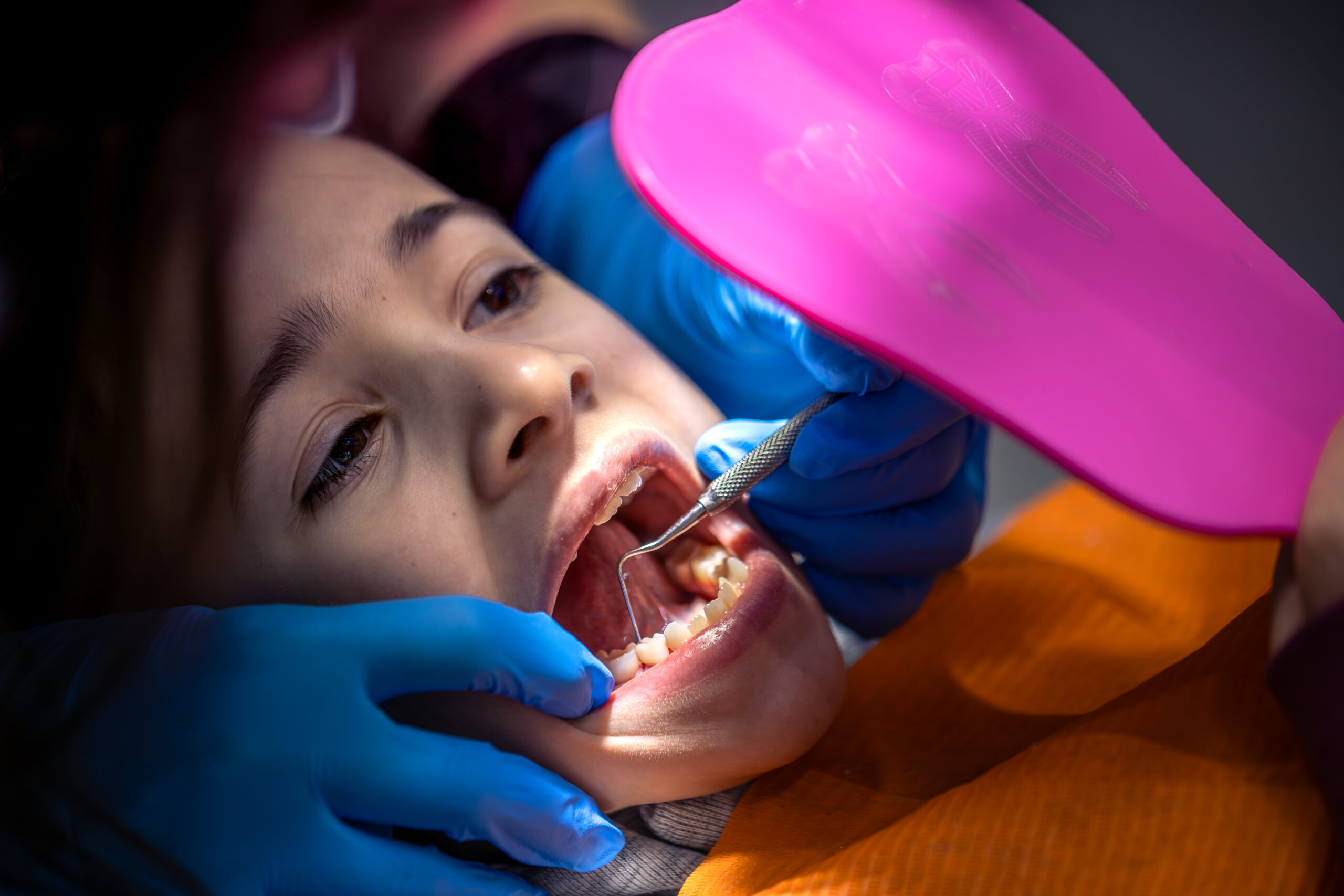
Scaling and root planing is the standard first-line treatment for gum disease beyond the early stage. It’s a deeper cleaning than a routine prophylaxis (medical term for preventive care), which is performed in sections of the mouth, usually over two visits.
Scaling removes tartar and bacteria from below the gumline. Root planing smooths the root surfaces so gum tissue can reattach and bacteria have less surface area to accumulate.
Local anesthesia is used to keep you comfortable throughout. Most patients see significant improvement in gum health within a few weeks.
In some cases, we place a localized antibiotic directly into gum pockets after scaling and root planing to help eliminate persistent bacteria. This is used when infection is concentrated in specific areas.
When gum disease has progressed to the point that scaling and root planing alone can’t address the damage, surgical options may be needed. This includes:
We discuss all options clearly before recommending any surgical approach.
Several factors increase gum disease risk. Smoking is the most significant. It weakens the immune system and reduces blood flow to gums, impairing healing. Genetics play a role; some people are more susceptible regardless of oral hygiene habits.
Diabetes affects the body’s ability to fight infection, making gum disease more likely and harder to control. Certain medications reduce saliva flow, allowing more bacteria to accumulate. Hormonal changes during pregnancy, menopause, or monthly menstrual cycles can make gums more sensitive.
Poor nutrition weakens the immune system. Stress has similar effects. Grinding or clenching teeth puts excess force on tooth-supporting structures, accelerating damage from gum disease.
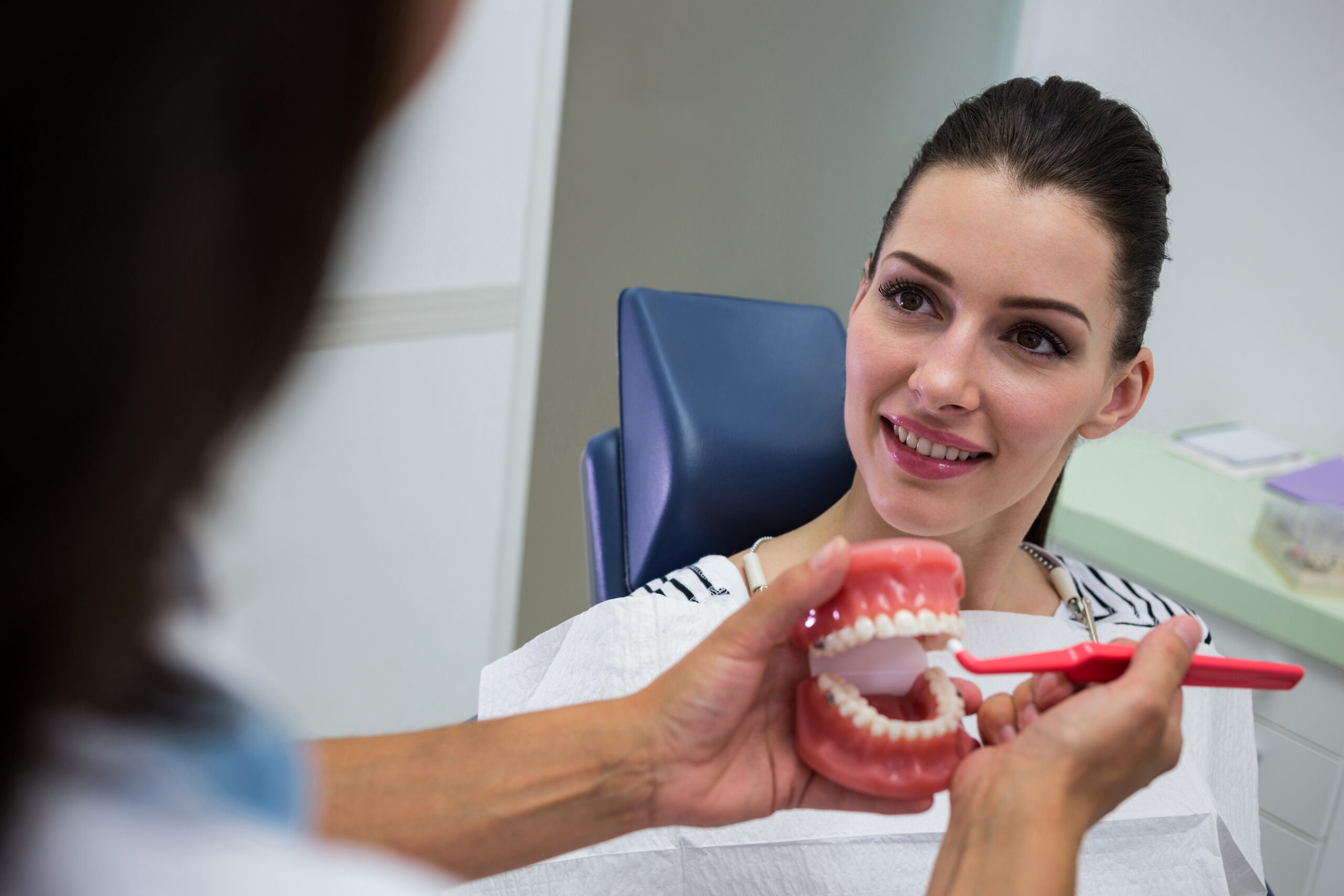
When gum disease progresses beyond gingivitis, deep cleaning becomes necessary. Also called scaling and root planning, this removes tartar and bacteria from below the gum line.
Scaling removes tartar from tooth surfaces and beneath gums. Root planning smooths rough spots on tooth roots where bacteria collect. Smooth surfaces make it harder for bacteria to adhere and easier for gums to reattach.
The procedure is done under local anesthesia for comfort. Depending on the extent of disease, we may treat your entire mouth in one visit or divide treatment across several appointments. Afterward, gums typically feel tender for a few days.
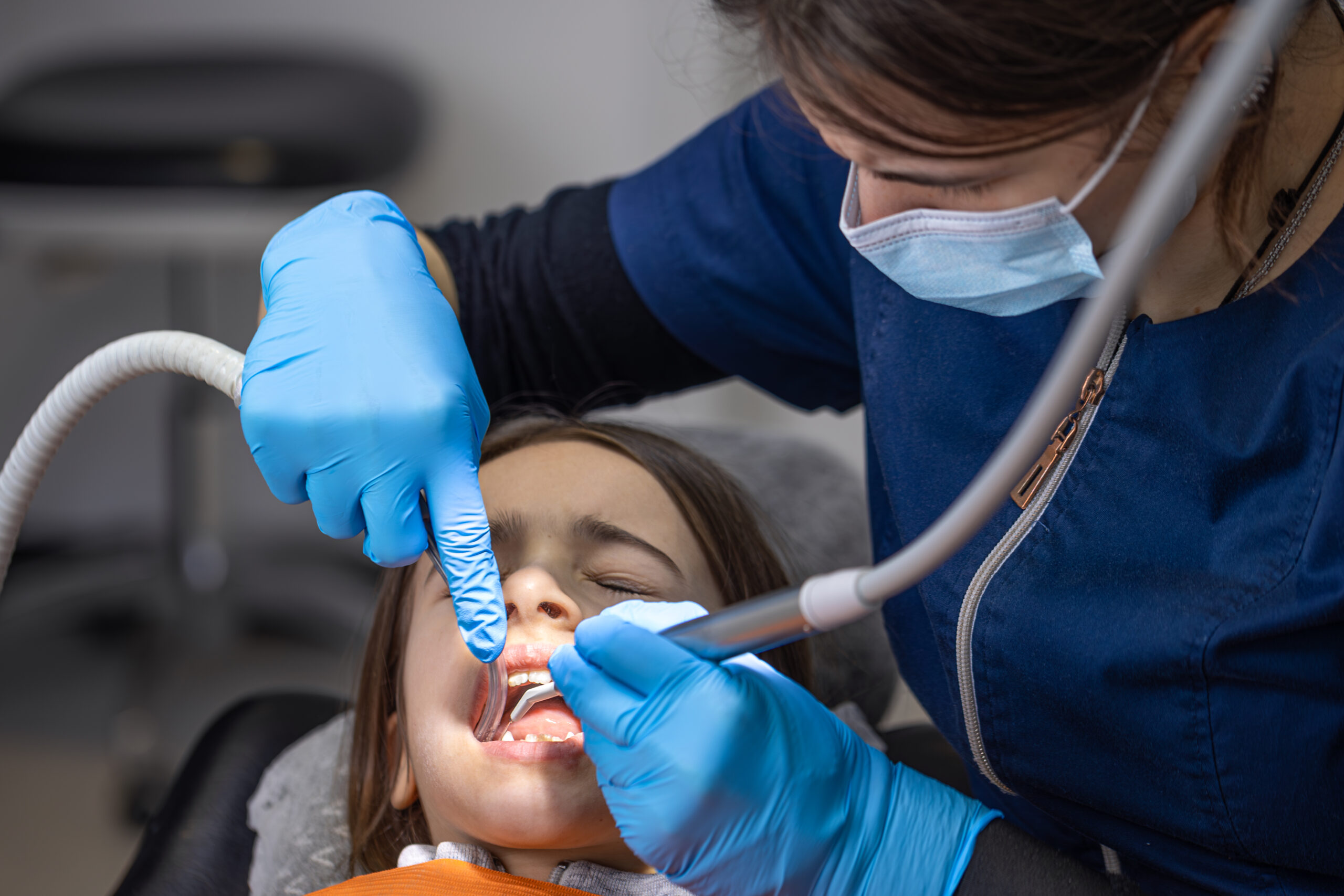
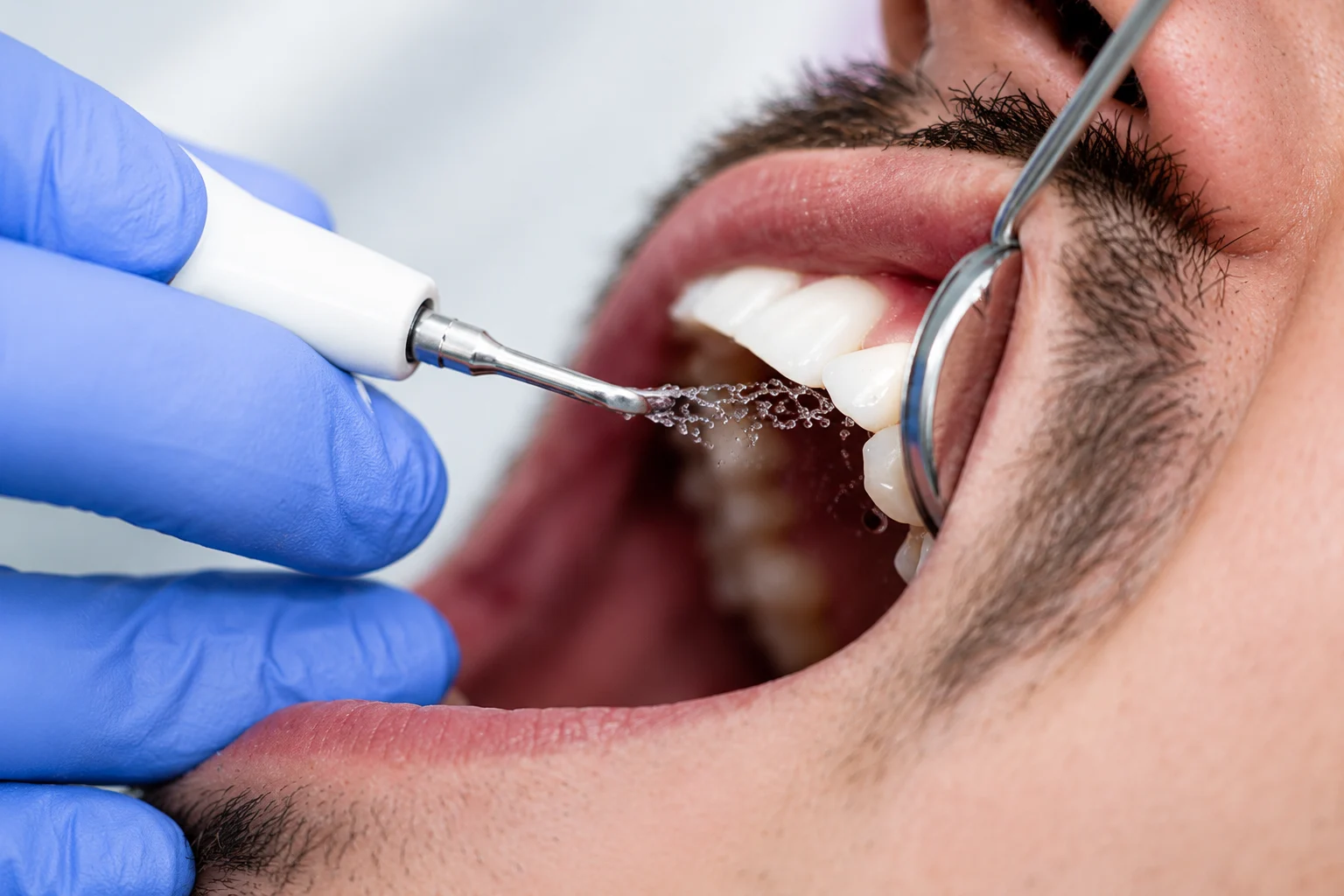
After active gum disease treatment, regular maintenance cleanings are essential to keep the condition stable. These are more thorough than standard cleanings and focus on the areas where disease activity has been present. Maintenance is typically done every 3-4 months.
Periodontal maintenance is not the same as a routine cleaning. Returning to standard six-month appointments too soon can allow the disease to return.
Professional treatment alone isn’t enough. Daily home care is critical for controlling periodontal disease. Brush twice daily with a soft-bristled brush and fluoride toothpaste. Pay attention to the gum line where bacteria accumulate.
Floss daily to remove plaque and food from between teeth and under the gum line. If traditional floss is difficult, try floss picks, interdental brushes, or water flossers.
Antibacterial mouthwash can help reduce bacteria levels. We may prescribe special rinses for periods after deep cleaning.

When deep cleaning alone doesn’t adequately control disease, additional treatments may be needed. Antibiotic therapy can supplement mechanical cleaning. We can place antibiotics directly into periodontal pockets or prescribe oral antibiotics for more widespread infection.
For severe cases, surgical intervention may be necessary. Flap surgery accesses deep pockets for thorough cleaning. Bone grafting can rebuild lost bone. Gum grafting covers exposed roots.

Gum disease links to several systemic health conditions. Research connects periodontal disease to heart disease, stroke, diabetes complications, respiratory disease, and pregnancy complications.
The connection likely involves inflammation and bacteria. Inflamed gums provide a pathway for bacteria to enter the bloodstream and affect other body areas. Managing gum disease may help reduce risk for these conditions, though research continues to clarify these relationships.

Research has consistently linked gum disease to systemic health conditions, including heart disease, diabetes, stroke, and complications during pregnancy. Treating and controlling gum disease is all about looking after your overall health.
If you have diabetes or a cardiovascular condition, we coordinate with your medical providers when appropriate and make sure your periodontal care is thorough and consistent.
A gum abscess or sudden acute infection requires prompt treatment. Left untreated, periodontal infections can spread and become serious.
Pain relief is our #1 priority.
Dr. Shrestha personally handles all emergency cases. Same-day digital X-rays available for accurate diagnosis.