Periodontal disease affects nearly half of adults over 30 in the United States. This progressive bacterial infection damages soft tissues and bone supporting teeth. Early detection enables conservative treatment preventing tooth loss and systemic health complications.
Understanding Periodontal Disease
Gum disease develops when bacterial plaque accumulates along gum lines. These bacteria produce toxins triggering immune responses. Inflammation results as the body attempts to eliminate infection. Chronic inflammation destroys connective tissues and bone.
Plaque formation occurs continuously from bacteria in saliva. Within hours of brushing, bacterial colonies establish on tooth surfaces. Undisturbed plaque mineralizes into calculus within 24 to 48 hours. Hardened calculus requires professional removal as brushing proves ineffective.
Genetic predisposition influences disease susceptibility. Some individuals develop aggressive periodontitis despite adequate hygiene. Others maintain healthy gums with minimal care. Family history of gum disease increases personal risk requiring enhanced preventive measures.
Smoking represents the most significant modifiable risk factor. Tobacco use impairs blood flow to gums reducing healing capacity. Smokers develop more severe disease and respond poorly to treatment. Cessation dramatically improves outcomes at any disease stage.
Systemic conditions including diabetes worsen periodontal disease. Elevated blood sugar impairs immune function and wound healing. Bidirectional relationships exist where gum disease also worsens diabetic control. Managing both conditions simultaneously optimizes outcomes.
Medications causing dry mouth increase disease risk. Saliva naturally cleanses teeth and neutralizes bacterial acids. Reduced saliva flow allows bacterial overgrowth. Hundreds of medications list dry mouth as side effects requiring compensatory oral hygiene.
Gingivitis: The Reversible Stage
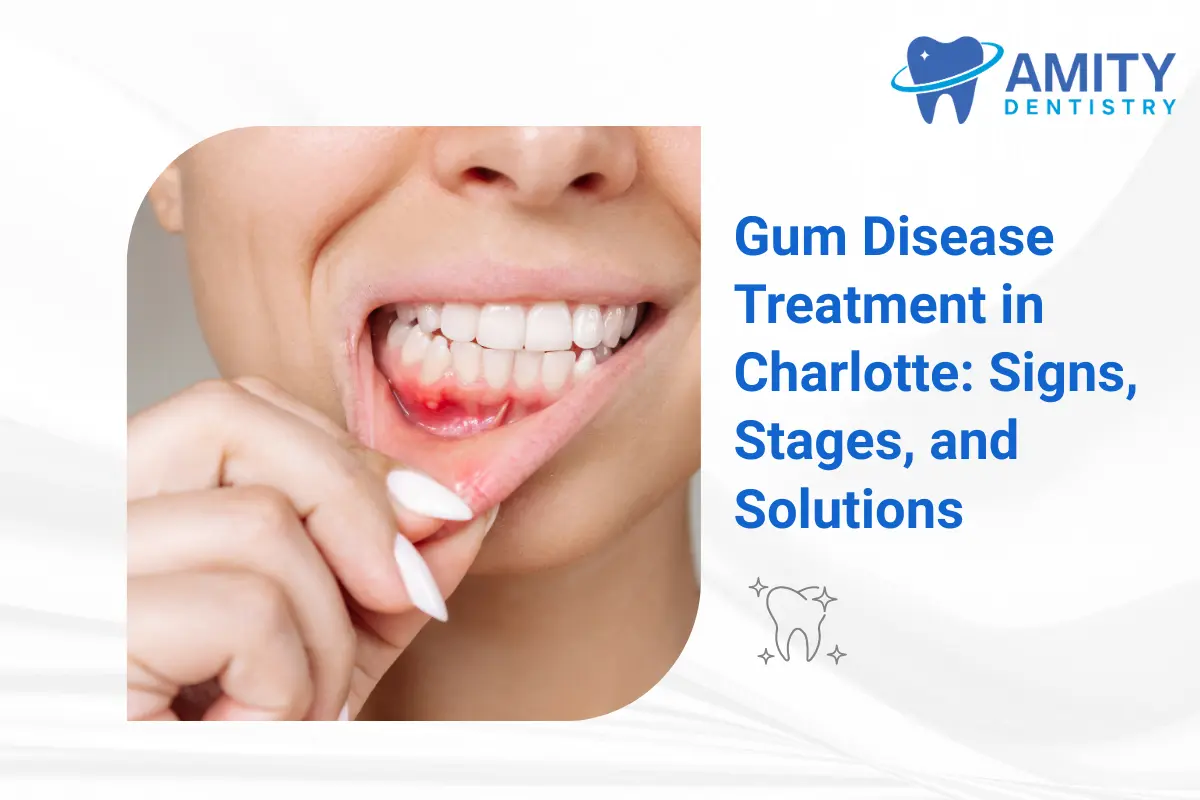
Gingivitis represents the earliest disease phase affecting only soft tissues. Gums appear red and swollen rather than firm and pink. Inflammation causes bleeding during brushing or flossing. Discomfort remains minimal allowing disease progression without awareness.
Plaque accumulation along gum lines triggers inflammatory responses. Bacterial toxins irritate tissues causing swelling. Blood vessels dilate increasing redness. This reversible stage causes no permanent damage when addressed promptly.
Bad breath often accompanies gingivitis. Bacterial metabolism produces sulfur compounds creating characteristic odors. Morning breath worsens with disease progression. Persistent halitosis despite brushing suggests underlying gum problems.
Puffy gum appearance replaces healthy contours. Swollen tissues obscure tooth-gum junctions. This puffiness creates false pockets without bone loss. Restoration of health returns normal architecture.
Bleeding represents the hallmark gingivitis symptom. Inflamed tissues bleed easily from minor trauma. Spitting blood while brushing should never be ignored. This bleeding indicates disease requiring professional attention.
Professional cleaning removes plaque and calculus, reversing gingivitis. Scaling eliminates deposits above gum lines. Polishing smooths tooth surfaces discouraging bacterial adhesion. Improved home care maintains results preventing recurrence.
Home care improvements reverse early gingivitis. Twice-daily brushing for two minutes removes daily plaque accumulation. Flossing reaches between-tooth surfaces brushes miss. Antimicrobial mouthrinses supplement mechanical cleaning.
Mild Periodontitis Development
Periodontitis begins when inflammation extends below gum lines. Connective tissue attachment to teeth weakens and detaches. Pockets form between teeth and gums measuring 4 to 5 millimeters deep. Bacterial colonization of these pockets perpetuates disease.
Bone loss initiates during this stage. Radiographs reveal early crestal bone destruction. This damage becomes permanent though progression can be halted. Early intervention prevents extensive loss requiring complex treatment.
Gum recession exposes root surfaces. Receding gums make teeth appear longer. Exposed roots show yellow coloration differing from white enamel. Sensitivity develops as dentin exposure allows temperature and pressure transmission.
Pocket formation creates protected bacterial environments. Brushing and flossing cannot reach these depths. Professional treatment becomes necessary to access and clean pockets. Home care alone proves insufficient once pockets develop.
Tooth mobility may become barely perceptible. Bone loss reduces support allowing slight movement. Patients typically notice mobility only when explicitly tested. Progressive loss increases movement over time.
Treatment requires scaling and root planing. This deep cleaning removes calculus below gum lines. Root surfaces undergo smoothing eliminating rough areas harboring bacteria. Local anesthesia ensures comfort during these procedures.
Multiple appointments address different mouth sections. Quadrant treatment allows thorough cleaning while maintaining manageable session lengths. Completing treatment within weeks prevents bacteria recolonizing cleaned areas before the entire mouth receives attention.
Moderate Periodontitis Progression
Moderate periodontitis involves deeper pockets measuring 6 to 7 millimeters. Increased depth complicates cleaning and bacterial elimination. Bone loss becomes evident clinically and radiographically. Multiple teeth show involvement rather than isolated areas.
Gum recession becomes obvious cosmetically. Several millimeters of root exposure alter the smile’s appearance. Black triangles appear between teeth as gum tissue recedes. These aesthetic concerns motivate treatment compliance.
Tooth sensitivity intensifies with progressive root exposure. Cold beverages and air cause sharp pain. Chewing pressure becomes uncomfortable. Sensitivity affects food choices and eating enjoyment.
Noticeable tooth mobility develops. Teeth shift positions slightly and wiggle when pressed. Biting forces feel different as teeth move. This mobility causes chewing inefficiency and anxiety.
Gum abscesses occur periodically. Acute bacterial infections create painful swellings. Pus drainage produces foul tastes. These infections require immediate treatment preventing spread.
Bite changes result from tooth migration. Shifting teeth alter contact patterns. Front teeth may splay outward creating gaps. These changes affect appearance and function.
Treatment involves scaling and root planing with possible adjunctive procedures. Localized antibiotic delivery into pockets supplements mechanical cleaning. Antimicrobial mouth rinses reduce bacterial loads. Host modulation therapy may benefit some patients.
Surgical intervention becomes necessary when nonsurgical treatment proves insufficient. Flap surgery allows direct visual access to roots and bone. Thorough debridement removes all deposits and diseased tissue. Bone grafting may restore lost support in some cases.
Advanced Periodontitis Consequences
Advanced disease creates pockets exceeding 7 millimeters depth. Extensive bone loss leaves minimal tooth support. Multiple teeth demonstrate severe mobility. Tooth loss becomes imminent without aggressive intervention.
Severe gum recession exposes most root surfaces. Roots extending from bone appear dramatically elongated. Aesthetic impacts become pronounced. Psychological effects include social withdrawal and decreased quality of life.
Drifting teeth create malocclusion. Front teeth flare outward and rotate. Gaps open between previously aligned teeth. Chewing efficiency decreases significantly. Speech may be affected by tooth position changes.
Frequent abscesses cause recurring pain and swelling. Acute infections become more common as disease advances. Antibiotic treatment provides temporary relief but infection recurs. Systemic antibiotic use carries risks with repeated courses.
Tooth loss occurs spontaneously or requires extraction. Severely compromised teeth become unsalvageable. Multiple missing teeth affect chewing, speech, and appearance. Bone loss complicates replacement options.
Systemic health impacts increase with advanced disease. Oral bacteria enter the bloodstream through diseased gums. Links to cardiovascular disease, stroke, and respiratory infections strengthen with disease severity. Pregnancy complications including preterm birth associated with periodontal disease.
Treatment requires comprehensive approaches. Surgical periodontal therapy addresses remaining teeth. Extractions remove hopeless teeth. Bone grafting prepares sites for implants. Comprehensive treatment planning coordinates multiple specialties.
Maintenance therapy continues indefinitely. Three to four month recall intervals monitor stability. Professional cleanings prevent recurrence. Lifetime commitment to maintenance prevents further destruction.
Non-Surgical Treatment Options
Scaling removes calculus deposits from visible tooth surfaces and slightly below gum lines. Ultrasonic scalers vibrate at frequencies breaking calculus bonds. Hand instruments scrape remaining deposits ensuring complete removal. This procedure forms the foundation of periodontal therapy.
Root planing smooths root surfaces removing bacterial toxins. Rough areas undergo planning which creates smooth glass-like finishes. Smooth surfaces discourage bacterial recolonization. This process requires local anesthesia given root sensitivity and depth of work.
Antibiotic therapy supplements mechanical treatment. Systemic antibiotics prescribed in pill form reach infection through the bloodstream. Localized antibiotics placed directly into pockets deliver high concentrations locally. Both approaches reduce bacterial populations enhancing treatment success.
Antimicrobial mouth rinses including chlorhexidine reduce oral bacterial levels. Prescription-strength rinses prove more effective than over-the-counter products. Twice-daily rinsing supplements brushing and flossing. Extended use may cause tooth staining requiring management.
Laser therapy represents emerging treatment modality. Lasers remove diseased tissue and bacteria. Claimed benefits include reduced bleeding and faster healing. Research continues evaluating effectiveness compared to conventional treatment.
Host modulation therapy addresses inflammatory responses. Low-dose doxycycline suppresses collagenase enzymes destroying tissue. This medication taken daily doesn’t work as an antibiotic at this dose. Instead it modulates destructive host responses.
Surgical Periodontal Procedures
Flap surgery provides direct access to roots and bone defects. Gum tissue reflects away exposing underlying structures. Thorough debridement removes all calculus and diseased tissue. Tissue repositions at original or slightly lower levels.
Bone grafting rebuilds lost support. Graft materials including synthetic, animal-derived, or human bone fill defects. New bone grows incorporating graft material. This regeneration restores some lost tooth support.
Guided tissue regeneration employs barrier membranes. These membranes prevent fast-growing gum tissue from filling bone defects. Slow-growing bone cells receive time to regenerate. This technique enhances bone formation in specific defects.
Soft tissue grafts address gum recession. Tissue harvested from palate or other sources covers exposed roots. This procedure reduces sensitivity and improves aesthetics. Success rates exceed 90% with proper technique.
Crown lengthening exposes more tooth structure. Removing gum tissue and sometimes bone creates adequate tooth length. This procedure prepares teeth for crowns when decay or fractures extend below gum lines.
Pocket reduction surgery eliminates deep pockets. Diseased tissue removal and bone recontouring reduce pocket depths. Shallower pockets enable effective home care maintenance. This surgery prevents disease recurrence.
Maintenance and Prevention
Professional cleanings occur every three to four months for periodontal patients. This frequency prevents bacterial recolonization to disease-causing levels. Longer intervals allow disease recurrence. Lifetime commitment to maintenance proves essential.
Home care requires dedication exceeding average patients. Brushing twice daily for a full two minutes removes plaque thoroughly. Electric toothbrushes show superior results compared to manual brushing. Technique matters as much as time invested.
Flossing reaches bacterial deposits between teeth. Proper technique curves floss around each tooth. Snapping floss through contacts damages gums. Daily flossing proves non-negotiable for periodontal patients.
Interdental brushes clean between teeth in areas where gums have receded. These small brushes reach into spaces floss cannot adequately clean. Multiple sizes accommodate varying space dimensions. Daily use supplements flossing.
Water flossers supplement traditional flossing. Pulsating water removes loose debris and bacteria. These devices work well for patients with dexterity limitations. They don’t replace traditional floss but provide additional benefits.
Smoking cessation dramatically improves outcomes. Quitting at any stage enhances treatment response and prevents progression. Nicotine replacement and prescription medications assist cessation efforts. Counseling increases success rates.
Dietary choices affect gum health. Vitamin C deficiency impairs healing and collagen synthesis. Calcium and vitamin D support bone health. Anti-inflammatory diets may reduce disease severity through systemic effects.
Stress management benefits periodontal health. Chronic stress impairs immune function and healing. Stress-related behaviors including teeth grinding worsen disease. Relaxation techniques and adequate sleep support treatment.
Recognizing Warning Signs
Bleeding gums warrant professional evaluation. Any bleeding with brushing, flossing, or eating indicates inflammation. Healthy gums never bleed. This symptom requires dental assessment determining cause and severity.
Persistent bad breath despite hygiene suggests underlying disease. Bacterial metabolic byproducts create characteristic odors. Mouthwash provides temporary masking without addressing causes. Professional evaluation identifies sources enabling proper treatment.
Gum recession changes tooth appearance. Teeth appearing longer indicate gum tissue loss. Progressive recession suggests active disease. Early intervention prevents extensive loss and sensitivity.
Loose teeth signal advanced bone loss. Any perceptible movement requires urgent evaluation. Mobility progresses without treatment leading to tooth loss. Timely intervention may save compromised teeth.
Pain while chewing indicates multiple possible problems including periodontal disease. Discomfort when biting suggests inflammation or infection. Changes in bite feel warrant investigation. Early diagnosis enables conservative treatment.
Gum swelling and redness demonstrate active inflammation. Puffy tissues that bleed easily require attention. Sudden swelling may indicate abscess formation. Both chronic and acute changes need professional assessment.
The Amity Dentistry Approach
Comprehensive periodontal examinations assess disease extent and severity. Pocket depth measurements occur around all teeth. Radiographs reveal bone levels and loss patterns. Recession and mobility receive documentation. This thorough evaluation guides treatment planning.
Customized treatment plans address individual disease presentations. Mild cases receive nonsurgical therapy with close monitoring. Moderate disease benefits from staged treatment approaches. Severe cases require referral to periodontal specialists when appropriate.
Patient education emphasizes disease nature and treatment rationale. Understanding chronic disease processes improves compliance. Demonstration of proper home care techniques ensures effective daily maintenance. Written instructions reinforce verbal education.
Latest treatment technologies enhance outcomes. Ultrasonic scalers improve calculus removal efficiency. Magnification and illumination enable thorough visualization. Digital radiography reduces radiation while improving diagnostic quality.
Continuing care programs maintain treatment results. Customized recall intervals match disease severity and patient risk factors. Reinforcement of home care occurs at each visit. Early detection of recurrence allows prompt intervention.
Coordination with medical providers optimizes systemic health. Communication with physicians ensures appropriate management of conditions affecting periodontal health. Medication reviews identify problematic prescriptions. This collaborative approach benefits overall patient wellbeing.
FAQs
- How long does periodontal treatment take to complete?
Treatment duration depends on disease severity and patient response. Mild cases resolve within 6-8 weeks after scaling and root planing. Moderate cases require 3-4 months including multiple treatment appointments and healing time. Advanced disease demands 6-12 months for surgical therapy and stabilization.
- Is periodontal treatment painful?
Local anesthesia eliminates discomfort during scaling, root planing, and surgical procedures. Post-treatment soreness responds to over-the-counter pain relievers. Most patients describe mild discomfort rather than significant pain. Any severe pain warrants immediate contact with the dental office.
- Can gum disease be cured completely?
Periodontal disease is managed rather than cured. Active infection and inflammation can be eliminated. However, lost bone and attachment don’t fully regenerate. Lifelong maintenance prevents recurrence. Patients remain susceptible requiring continued vigilance and professional care.
- Will I lose my teeth from gum disease?
Early detection and proper treatment prevent tooth loss. Mild to moderate disease responds well to conservative therapy. Advanced disease may result in some tooth loss despite treatment. Untreated disease inevitably leads to tooth loss. Timely intervention provides best outcomes.
- How can I schedule a periodontal evaluation in Pineville?
Amity Dentistry provides comprehensive periodontal evaluations and treatment in Pineville. Our experienced team diagnoses disease at all stages and develops personalized treatment plans. Call our office or visit our website to schedule your assessment. Early detection enables conservative treatment preventing advanced disease complications.