A missing tooth affects appearance and changes how you chew, how adjacent teeth align, and over time, it leads to bone loss in the jaw. Dental implants are the most effective long-term solution for replacing a missing tooth. They function like a natural tooth and preserve the bone underneath.
At Amity Dentistry, we provide dental implant consultations and treatment for patients in Charlotte, Pineville, Matthews, and surrounding communities. Dr. Shrestha manages the process from planning through placement, so you’re not handed off between providers at different stages.
Call (980) 423-1244 to schedule your implant consultation.
We see implant patients from SouthPark, Ballantyne, Pineville, Matthews, Steele Creek, South End, and Dilworth. Our Charlotte office is 10 minutes from SouthPark and easily accessible from Pineville via I-485.
Family-owned and trusted by 150+ Charlotte families.
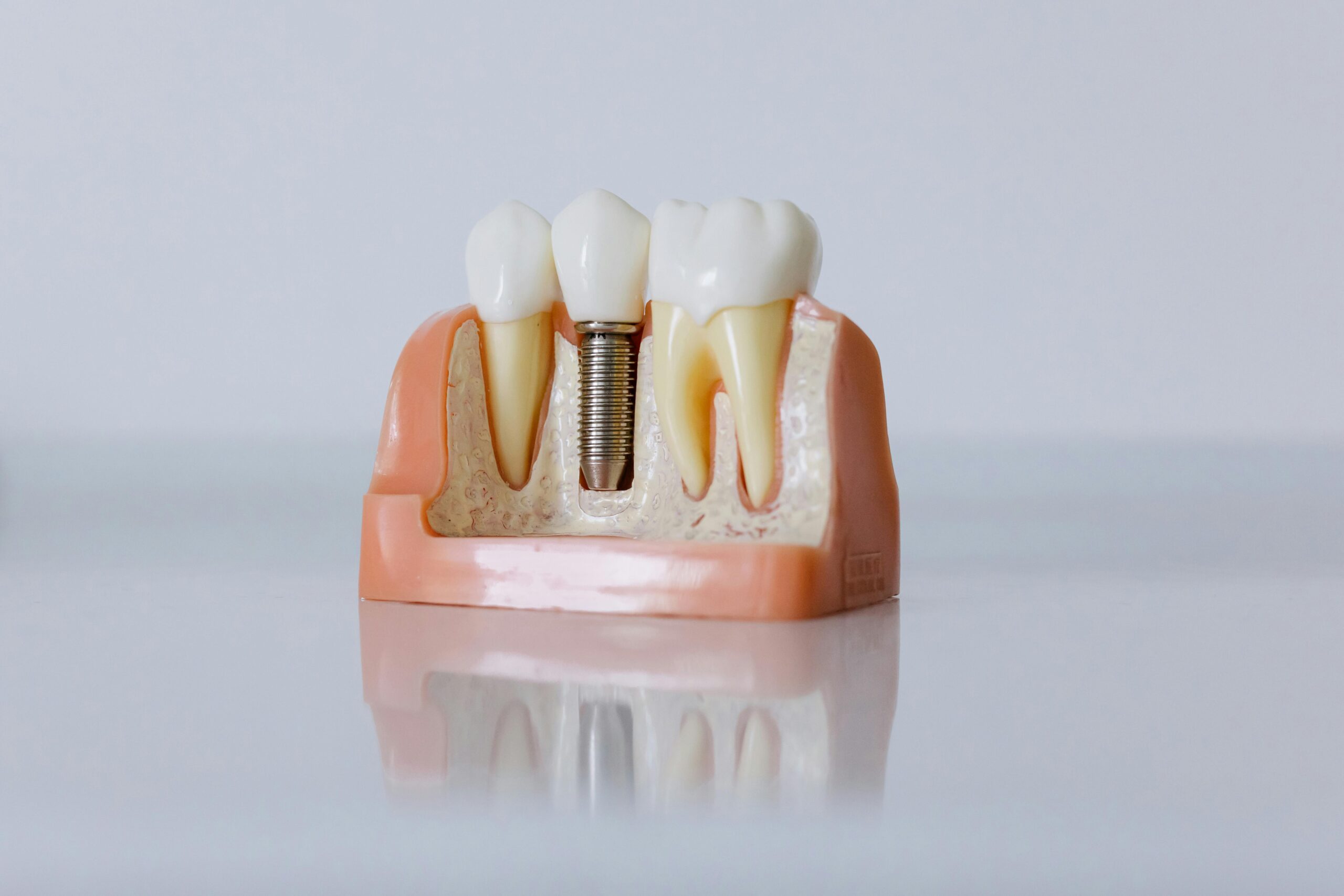
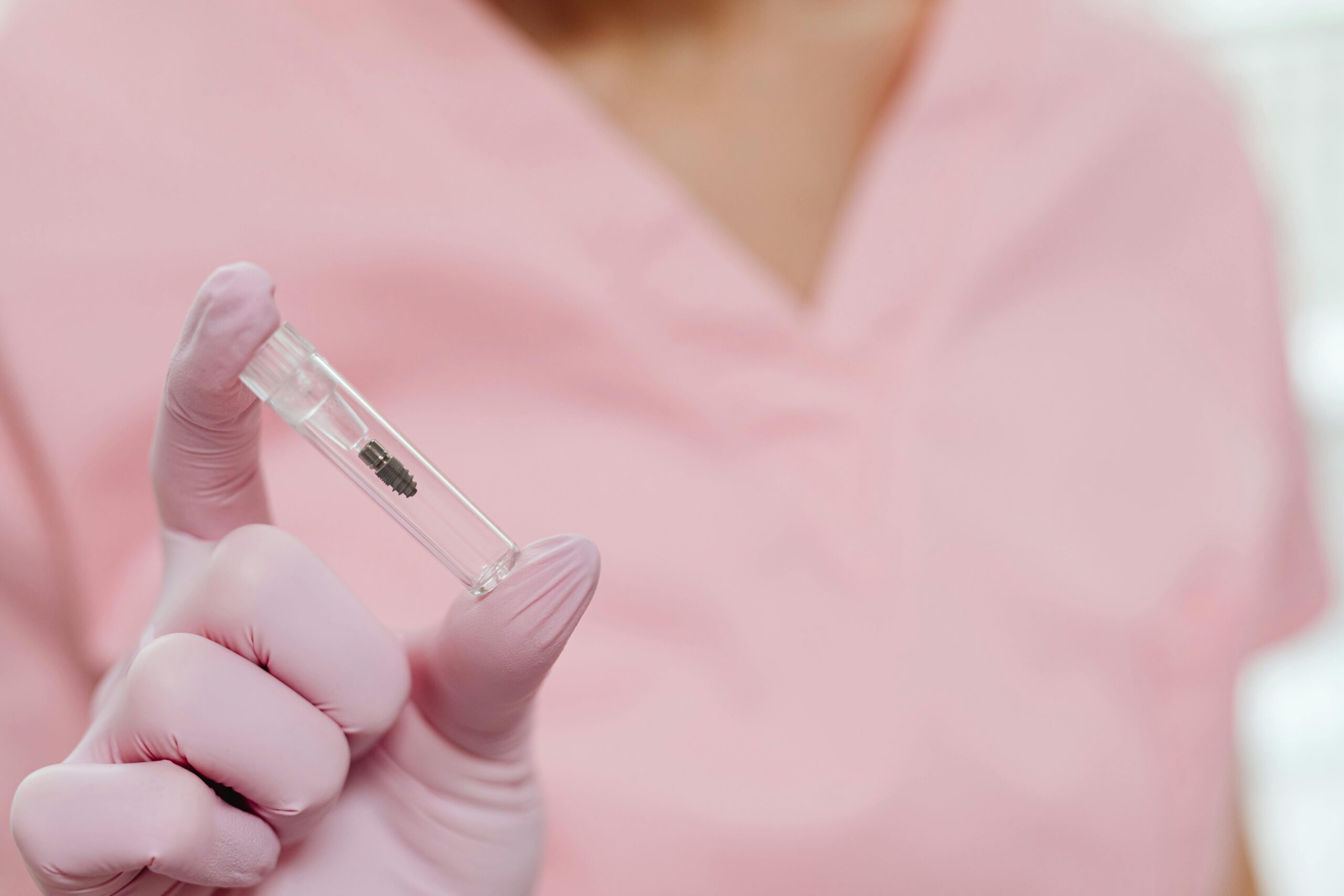
A dental implant is a titanium post that is placed into the jawbone where a tooth root used to be. Once the implant integrates with the bone, a crown is attached on top. The result looks, feels, and functions like a natural tooth.
Unlike dentures or bridges, implants don’t rely on neighboring teeth for support, and they don’t slip or require removal at night.
Most adults missing one or more teeth are candidates for implants. During your consultation, we assess:
If you’ve been told in the past that you don’t have enough bone for implants, a bone graft may make implant treatment possible. We evaluate this at your first visit.
We take digital X-rays and review your oral health to determine whether you’re a candidate and what the treatment timeline looks like. We walk you through every step and provide a clear cost estimate before anything is scheduled.
If the implant site lacks sufficient bone volume, a bone graft is placed first. The graft heals over several months before implant placement. Not every patient needs this step.
The titanium implant post is placed into the jawbone under local anesthesia. Sedation is available. The procedure itself is typically completed in under an hour.
The implant integrates with the bone over a period of three to six months. During this time, a temporary restoration may be placed so the gap is covered.
Once the implant has fully integrated, a custom crown is attached. The crown is color-matched to your surrounding teeth and designed to feel natural when you bite and chew.
Replaces one missing tooth with a crown supported entirely by the implant. Adjacent teeth are not affected.
When multiple consecutive teeth are missing, two implants can support a bridge, which eliminates the need to prepare healthy teeth on either side, as a traditional bridge requires.
For patients missing most or all teeth in an arch, implant-supported dentures provide a stable, non-removable (or removable snap-on) alternative to conventional dentures. They eliminate slipping and significantly improve chewing function.
Dental implants in Charlotte, NC preserve jawbone. When you lose teeth, the bone beneath them begins deteriorating because it lacks stimulation from chewing forces. Implants transfer these forces to the bone just like natural tooth roots, maintaining bone density and facial structure.
Implants don’t require alteration of healthy adjacent teeth. Bridges require grinding down two healthy teeth to serve as anchors. Implants stand independently, leaving other teeth untouched.
Maintenance is straightforward. You brush and floss implants like natural teeth. They don’t get cavities, though the surrounding gum tissue needs to stay healthy. Regular dental checkups ensure everything stays in good condition.
Implants provide better chewing ability than other replacement options. Because they’re anchored firmly in bone, you can bite with the same force as natural teeth. This means no dietary restrictions and better nutrition.

Most people with good overall health and adequate jawbone are candidates for dental implants. Certain conditions require special consideration. Uncontrolled diabetes can affect healing. Heavy smoking reduces success rates. Some medications, particularly those affecting bone metabolism, may complicate treatment.
If you lack sufficient bone, bone grafting can often rebuild what’s needed. This adds time to the process but makes implants possible for many people who wouldn’t otherwise qualify.
Good oral hygiene is essential. While implants don’t get cavities, poor hygiene can lead to peri-implantitis, an infection of the tissues surrounding the implant. This can cause bone loss and implant failure.
With proper care, implants can last 25 years or longer. The crown may need replacement after 10 to 15 years due to normal wear, but the implant itself typically remains stable for life.
Success rates exceed 95% for most patients. Factors affecting longevity include oral hygiene, regular dental visits, avoiding tobacco, managing medical conditions properly, and protecting implants from excessive forces if you grind your teeth.
Cost of dental implants reflects the materials used, surgical expertise required, and long-term value provided. While the initial investment exceeds other options, the durability and functionality often make implants more cost-effective over time.
The cost of full mouth dental implants depend on how many implants are needed and what type of restoration is used. All 4 dental implants cost less than placing individual implants for each missing tooth while still providing excellent results.
We offer financing to make treatment accessible. Many patients use payment plans to spread costs over time. Some dental insurance plans provide partial coverage, especially if tooth loss resulted from accident or injury.

If you’re experiencing pain around a dental implant, swelling, or a loose crown, contact us the same day. Implant complications respond better to early treatment.
Dental implants are a significant investment. We make the process as financially manageable as possible.