Bruxism affects approximately 30% of adults during sleep causing dental damage and chronic pain. Night guards create protective barriers between upper and lower teeth preventing grinding consequences. Understanding symptoms and treatment options preserves dental health and eliminates associated complications.
Understanding Bruxism and Its Causes
Before the procedure, it is important for people with Bruxism to understand what it is and why it happens.
- Teeth grinding occurs when jaw muscles contract rhythmically during sleep. These uncontrolled movements can create forces stronger than normal chewing pressure by three to ten times. Enamel wear, tooth fractures, and jaw joint damage result from sustained grinding over months and years.
- Sleep bruxism differs from wakeful clenching through unconscious nature and intensity. Sleeping individuals cannot control or stop grinding episodes. Sessions last from seconds to minutes occurring multiple times nightly. Most sufferers remain unaware until partners report grinding sounds or dentists identify damage.
- Stress and anxiety represent primary bruxism triggers. Work pressure, financial concerns, and relationship difficulties manifest physically through jaw tension. The nervous system maintains heightened activation during sleep preventing complete muscular relaxation. Grinding provides unconscious stress release.
- Sleep disorders including sleep apnea correlate strongly with bruxism. Breathing interruptions trigger arousal responses involving jaw muscle activation. Treating underlying sleep disorders often reduces grinding frequency. Polysomnography sleep studies identify these connections.
- Medication side effects contribute to bruxism development. Antidepressants, particularly selective serotonin reuptake inhibitors increase grinding risk. Stimulant medications and recreational drugs including cocaine and methamphetamine trigger jaw muscle hyperactivity. Reviewing medication lists with physicians identifies pharmaceutical causes.
- Malocclusion and bite abnormalities create muscle imbalances promoting grinding. Misaligned teeth force jaw muscles into unnatural positions. The neuromuscular system attempts correction through nocturnal grinding. Orthodontic treatment addressing alignment often reduces symptoms.
- Genetic factors influence bruxism susceptibility. Family history of grinding increases individual risk. Twin studies demonstrate hereditary components. Children of grinding parents show higher incidence rates.
Signs and Symptoms Requiring Attention
If you show symptoms listed below there is a good chance that you might have Bruxism. You should see your dentist as quickly as possible to have it examined.
- Tooth wear patterns reveal grinding history. Flattened chewing surfaces on molars indicate sustained contact. Exposed dentin appears as yellow areas where enamel wore through. Front teeth showing abnormal shortening or chipping suggest severe bruxism.
- Jaw pain upon waking localizes to muscles of mastication. Tenderness impacts the temples, cheeks, and jaw angles. Pain intensity varies from mild discomfort to debilitating aching. Morning symptoms typically improve throughout the day as muscles relax.
- Headaches concentrated at temples result from overworked temporalis muscles. These tension headaches mimic migraines in severity. Frequency correlates with grinding intensity. Daily morning headaches warrant bruxism evaluation.
- Tooth sensitivity to temperature and pressure increases as enamel thins. Hot and cold foods trigger sharp pain. Biting pressure causes discomfort. This sensitivity indicates advanced enamel loss requiring tooth sensitivity treatment.
- Temporomandibular joint disorders develop from sustained grinding stress. Joint clicking, popping, or locking occurs during mouth opening. Ear pain and facial asymmetry emerge in severe cases. TMJ damage requires comprehensive treatment beyond night guards alone.
- Sleep disruption affects grinding patients and partners. Harsh grinding noises rouse sleeping partners repeatedly throughout the night. The grinder experiences fragmented sleep without conscious awareness. Daytime fatigue and concentration difficulties result from poor sleep quality.
- Neck and shoulder tension extends from jaw muscle overuse. Muscle chains connecting jaw to neck transmit strain. Chronic neck pain and limited range of motion develop. Massage therapy and physical therapy complement dental treatment.
Available Night Guards for Bruxism
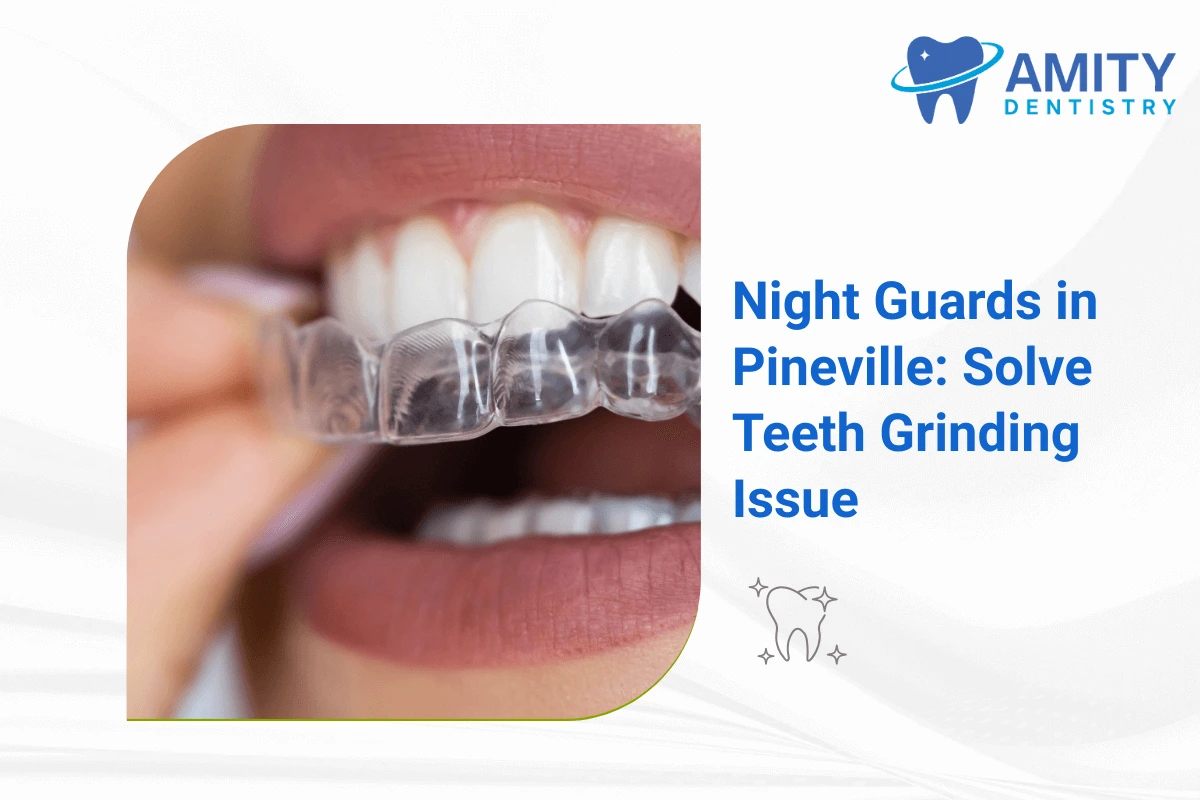
Night Guards are effective tools used to treat Bruxism. There are quite a few options available on the market that you can easily use.
- Stock night guards purchased from pharmacies provide basic protection at low cost. Pre-formed devices come in limited sizes fitting loosely. One-size-fits-all design compromises retention and comfort. Material thickness prevents proper jaw closure. These represent temporary solutions only.
- Boil-and-bite guards offer improved fit through thermoplastic molding. Users soften guards in hot water then bite to create impressions. Customization exceeds stock guards but remains inferior to professional options. Thickness variation and poor retention limit effectiveness.
- Custom-fitted night guards fabricated by dental laboratories provide optimal protection. Dentists take precise impressions of upper and lower teeth. Laboratory technicians construct guards matching exact tooth anatomy. Perfect fit ensures retention, comfort, and consistent wear throughout the night.
- Hard acrylic guards offer maximum durability and tooth protection. Rigid material resists wear from heavy grinding forces. These suit severe bruxism cases requiring long-lasting appliances. Adjustment periods extend longer as patients adapt to firmness.
- Soft silicone guards provide cushioning comfort for mild to moderate grinders. Flexible material absorbs grinding forces reducing transmitted stress. Comfort encourages consistent nightly use. Durability proves less than hard guards requiring more frequent replacement.
- Dual-laminate guards combine hard outer shells with soft inner linings. This hybrid design balances durability with comfort. The hard exterior resists wear while soft interior cushions teeth. Many patients find this combination ideal.
Professional Evaluation and Diagnosis
Visual dental examinations identify grinding evidence through wear patterns. Dentists inspect all tooth surfaces noting flattened areas, chips, and cracks. Enamel loss severity guides treatment urgency. Photographs document baseline conditions for future comparison.
- Jaw muscle palpation reveals hypertrophy and tenderness. Enlarged masseter muscles indicate chronic overuse. Trigger points cause referred pain when pressed. Muscle examination complements dental findings confirming bruxism diagnosis.
- Temporomandibular joint assessment evaluates range of motion and joint sounds. Maximum opening measurements detect limitations. Palpating joints during movement identifies clicking or crepitus. Joint dysfunction severity determines whether night guards alone suffice.
- Bite analysis examines tooth contact patterns and jaw relationships. Articulating paper marks high spots and premature contacts. Occlusal discrepancies contributing to grinding receive attention. Bite adjustments may complement night guard therapy.
- Sleep questionnaires screen for sleep disorders associated with bruxism. Questions about snoring, breathing pauses, and daytime sleepiness identify apnea risk. Positive screenings warrant sleep study referrals. Treating sleep disorders often reduces grinding.
- Digital imaging including radiographs reveals internal tooth damage. Cracks extending into dentin or approaching pulp chambers require immediate restoration. Bone loss around teeth indicates excessive force transmission. Images guide comprehensive treatment planning.
Adjustment Period and Compliance
Initial discomfort during the first week proves common and expected. Foreign object sensation and excess salivation occur as the mouth adapts. Most patients acclimate within three to seven nights. Persistent discomfort beyond two weeks warrants dentist consultation.
- Speaking difficulty while wearing guards affects some patients. Thickness and fit influence speech clarity. Practice reading aloud accelerates adaptation. Most report minimal speech impact after adjustment period.
- Gagging sensitivity concerns patients with strong reflexes. Properly trimmed guards minimize palatal coverage reducing gag triggers. Gradual desensitization through brief daytime wear helps severe cases. Breathing exercises during insertion calm reflexive responses.
- Retention concerns arise if guards feel loose. Proper fit should require deliberate removal effort. Loose guards fall out during sleep providing no protection. Adjustment appointments tighten fit through selective addition or trimming.
- Motivation maintenance requires recognizing symptom improvement. Reduced morning jaw pain and headaches reinforce consistent wear. Tracking symptoms in journals demonstrates progress. Partner feedback about reduced grinding sounds provides external validation.
- Replacement schedules depend on material type and grinding severity. Soft guards last six months to two years. Hard acrylic guards endure three to five years. Severe grinders replace guards more frequently. Dentists monitor wear recommending replacement when protection diminishes.
Long-Term Consequences of Untreated Bruxism
Avoiding the treatment of Bruxism carries severe long-term consequences. You must get it treated immediately.
- Tooth structure loss progresses to severe damage without intervention. Enamel wear exposes dentin increasing cavity risk. Fractures propagate through teeth requiring crowns or extractions. Complete tooth loss occurs in extreme neglected cases.
- Temporomandibular joint arthritis develops from chronic mechanical stress. Cartilage degradation causes painful bone-on-bone contact. Joint remodeling creates permanent structural changes. Surgical intervention becomes necessary in advanced deterioration.
- Chronic pain syndromes emerge from sustained muscle and joint damage. Daily jaw pain interferes with eating, speaking, and quality of life. Pain medication dependence develops as patients seek relief. Comprehensive pain management becomes necessary.
- Gum recession results from excessive biting forces. Exposed root surfaces increase sensitivity and decay risk. Recession creates aesthetic concerns particularly on front teeth. Periodontal care grafting procedures restore lost tissue.
- Headache disorders intensify with continued grinding. Tension headaches occur daily impacting work and social function. Migraine frequency increases in predisposed individuals. Headache management requires multidisciplinary approaches.
- Sleep quality deterioration affects overall health. Chronic fatigue impairs cognitive function and emotional regulation. Relationships suffer when grinding disturbs partner sleep. Addressing bruxism improves sleep for both parties.
Cost Considerations and Insurance
- Custom night guard costs in Pineville range depending on material and complexity. Hard acrylic guards cost less than dual-laminate versions. Laboratory fees and dentist time determine pricing. This investment prevents thousands in future dental repairs.
- Dental insurance typically covers night guards when medically necessary. Annual maximum benefits apply limiting coverage to 50-80% of costs. Prior authorization requirements vary between plans. Submitting pre-treatment estimates clarifies coverage before proceeding.
- Flexible spending accounts and health savings accounts cover night guard expenses. Using pre-tax dollars reduces effective cost. Annual contribution limits and use-it-or-lose-it rules require planning. Coordinating major dental work optimizes account benefits.
- Payment plans through dental offices spread costs over several months. Interest-free options make treatment accessible without insurance coverage. Monthly installments fit budgets better than lump-sum payments.
When to Seek Immediate Attention
If you are facing any of these symptoms you must take action immediately to prevent things from getting worse.
- Sudden severe tooth pain indicates possible fracture or crack. Sharp pain during biting or temperature exposure requires urgent evaluation. Delayed treatment risks infection and tooth loss. Emergency dental appointments address acute problems.
- Jaw joint locking preventing mouth opening or closing constitutes an emergency. This indicates internal joint derangement requiring immediate care. Manual manipulation by trained professionals releases locked joints. Untreated locking causes permanent dysfunction.
- Facial swelling or fever suggests infection from tooth damage. Grinding-related cracks provide bacterial entry into tooth pulp. Infections spread rapidly requiring antibiotic treatment. Root canal therapy or extraction becomes necessary.
- Persistent bleeding from grinding-related gum damage needs prompt attention. Excessive force causes soft tissue trauma and recession. Bleeding lasting more than 10 minutes after onset warrants evaluation. Underlying health conditions may compound issues.
- Vision changes or severe headaches accompanying grinding symptoms require medical evaluation. These signs may indicate increased intracranial pressure or other serious conditions. Neurological symptoms always warrant urgent assessment ruling out dangerous causes.