
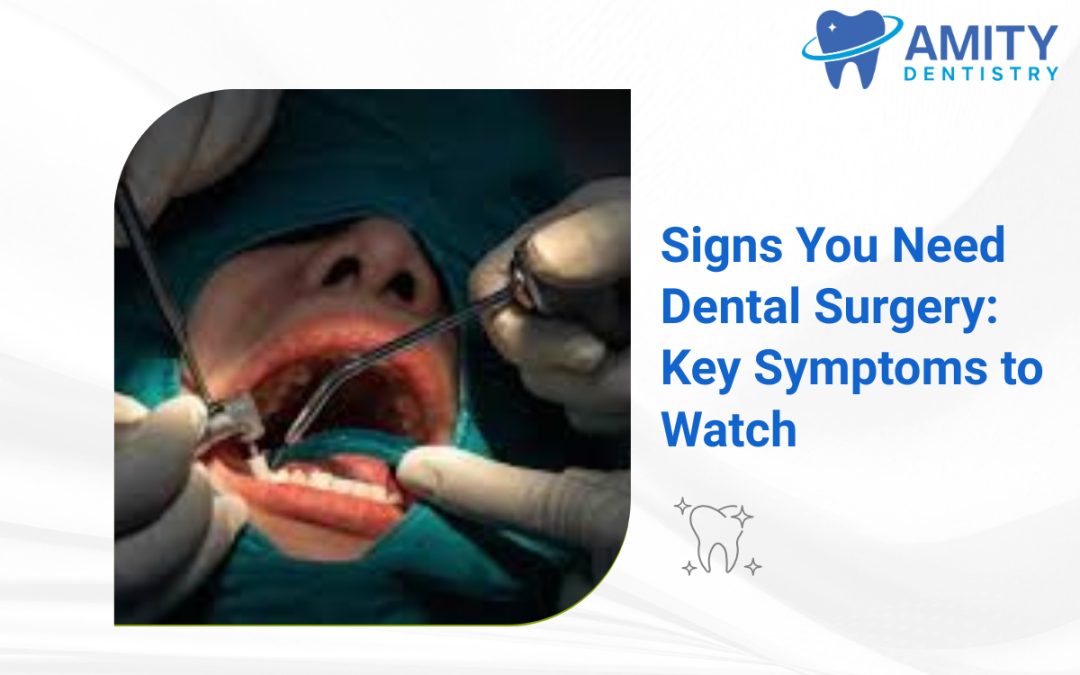
Your mouth speaks volumes about your health. Small aches often signal larger problems. Ignoring a minor throb may lead to major complications.
You need to recognize the warning signs early. Early detection saves teeth. Early action prevents systemic infection and saves you time, money and the stress that comes with this.
We want you to understand these signals. You deserve a healthy smile. You deserve a life free from oral pain and the detriments to your overall health.
This guide helps you understand when you should immediately consult with your dentist and what usually happens during a specific procedure.
Severe and Persistent Tooth Pain
Pain acts as your body’s alarm system. A fleeting ache might result from sensitivity. Constant throbbing indicates a deeper issue. Pain radiating through the jaw demands attention.
Deep decay likely reached the tooth nerve. Infection creates pressure inside the tooth. This pressure causes intense agony. The nerve dies without treatment. Dead nerves invite bacteria. Bacteria cause abscesses. An abscess threatens your overall health.
Over-the-counter medication offers only temporary relief. Pills mask the symptom. The root cause remains active. Decay continues to eat away at the tooth structure. Infection spreads to surrounding tissues. You experience swelling and fever.
A root canal surgery might save the tooth. The dentist removes the infected pulp. Cleaning the interior stops the infection. Sealing the tooth prevents reinfection.
Extraction becomes necessary when damage is too extensive. Removing the tooth eliminates the infection source. This procedure stops the pain immediately. Your Pineville dentist will discuss replacement options later.
Loose or Shifting Teeth
Adult teeth should sit firmly in the jaw. Wiggle room indicates a serious failure of the support system.Periodontal disease often destroys the bone supporting your teeth. The gums pull away from the tooth surface. Pockets form and collect bacteria. These bacteria eat the bone. Less bone means less stability.
Trauma also causes looseness. A blow to the face damages the periodontal ligaments. These ligaments hold the tooth in the socket.
Teeth rely on each other for support. One loose tooth affects the alignment of neighbors. Gaps appear where none existed before. Your bite changes. Chewing becomes difficult. Uneven pressure cracks healthy teeth.
Deep cleaning helps in early stages. Advanced bone loss requires dental surgery. Bone grafting regenerates lost density. The surgeon places bone material in the affected area. This material encourages new bone growth.
Splinting joins loose teeth to stable ones. This technique shares the load during chewing. Dental implants in Pineville replace teeth lost to instability. Implants fuse with the jawbone. They provide a solid foundation for crowns.
Bleeding and Swollen Gums
Healthy gums appear pink and firm. Redness signals inflammation. Bleeding during brushing is not normal.
Gingivitis starts the process. Plaque buildup irritates the gum line. Neglect turns gingivitis into periodontitis. The infection moves below the gum line. Tissues detach from the teeth.
Your immune system fights the bacteria. Blood rushes to the infection site. This causes swelling and heat. Chronic inflammation destroys soft tissue. Receding gums expose tooth roots. Exposed roots cause extreme sensitivity.
Flap dental surgery cleans the roots. The oral surgeon lifts the gums back. They remove tartar deposits from deep pockets. Suturing the gums back fits the tissue tightly around the tooth.
Soft tissue grafts repair recession. The surgeon takes tissue from the roof of your mouth. They attach this tissue to the gum line. This covers exposed roots. The procedure reduces sensitivity. It improves the appearance of your smile.
Impacted Wisdom Teeth
Wisdom teeth arrive late. Most mouths lack room for them. These molars often get stuck beneath the gum. You feel pressure at the back of your jaw. Swelling occurs behind the second molars. Opening your mouth becomes painful. Bad breath develops from trapped food.
Evolution made human jaws smaller. We no longer need extra molars for grinding tough food. The teeth try to erupt but hit obstacles. They grow sideways or partially emerge.Partial emergence creates a flap of skin. Bacteria hide under this flap. Infection flares up repeatedly.
Extraction is the standard solution. The surgeon makes an incision in the gum. They remove the bone blocking the tooth. Sectioning the tooth makes removal easier. Taking them out prevents future crowding. Removing them stops damage to adjacent molars.
Chronic Jaw Pain and Clicking
Your jaw joint controls eating and speaking. Problems here affect your entire life.The jaw pops or clicks when you chew. You wake up with headaches. The jaw locks in an open or closed position. Pain radiates to the ears and neck.
Arthritis damages the joint cartilage. Stress causes teeth grinding. Grinding wears down the joint surfaces. Disc displacement interferes with smooth movement. Arthrocentesis washes out the joint. The surgeon uses needles to remove debris. This reduces inflammation.
Open joint dental surgery repairs structural issues. The surgeon removes bone spurs. They reposition the disc. Total joint replacement helps in severe cases. An artificial joint restores movement.
Difficulty Chewing or Swallowing
Eating should be effortless. Struggle indicates a mechanical obstruction or infection.A growth might block the throat. Swelling from an infection restricts muscle movement. Misaligned teeth prevent proper grinding.
Abscesses make pressure unbearable. Loose teeth fail to tear food. Tumors interfere with tongue movement. Malnutrition follows the inability to eat. Corrective jaw dental surgery aligns the bite. The surgeon cuts and moves the jawbones. Plates and screws hold the new position.
Removing tumors clears the passage. Draining abscesses relieves pressure. You regain the ability to eat diverse foods. Nutrition improves.
Facial Injury and Trauma
Accidents damage more than just your skin. Sports injuries break bones. Car accidents shatter teeth.Fractured jaws prevent closing the mouth. Knocked-out teeth leave gaping holes. Cuts inside the mouth bleed profusely.
Broken bones heal improperly without setting. A misaligned jaw ruins your bite. Open wounds invite infection.
Reconstructive oral dental surgery rebuilds the face. The surgeon wires fractured jaws shut to heal. They implant artificial teeth to fill gaps. Tissue grafts repair torn lips and cheeks. Immediate action minimizes scarring.
Bone Loss and Facial Collapse
The jawbone needs stimulation. Tooth roots provide this stimulation. Losing teeth stops this process. Your face looks sunken. Lips appear thinner. Dentures fit poorly. The skin around the mouth wrinkles prematurely.
The body reabsorbs unused bone. The jaw shrinks without tooth roots. This process accelerates over time. Ridge augmentation restores the natural contour. The surgeon fills the indented area with bone. Sinus lifts add bone to the upper jaw. This creates space for implants.
Dental implants act as artificial roots. They stimulate the bone. This stops resorption. Your facial structure remains youthful.
Non-Healing Sores or Patches
Most mouth sores heal within two weeks. Long-lasting lesions require investigation.White or red patches appear on the tongue. Hard lumps form in the cheek. Sores bleed easily and refuse to close.
Oral cancer manifests as persistent sores. Early stages are painless. Detection determines survival rates. A biopsy provides answers. The surgeon removes a small tissue sample. A lab analyzes the cells.
Excision removes the entire lesion. Removing a margin of healthy tissue ensures safety. Reconstructive dental surgery repairs the defect left by removal.
Sleep Apnea and Snoring
Snoring disrupts sleep. Sleep apnea stops breathing. The dentist plays a role in airway management. Soft tissue collapses into the airway. You stop breathing dozens of times an hour. Oxygen levels drop. The heart works harder.
Excess tissue in the throat creates a barrier. A small lower jaw leaves no room for the tongue. The tongue falls back during sleep.
Uvulopalatopharyngoplasty (UPPP) removes excess tissue. The surgeon trims the soft palate. This widens the airway. Maxillomandibular advancement moves the jaws forward. This pulls the tongue away from the back of the throat. The airway stays open. Sleep quality improves instantly.
Preparing for Your Consultation
Recognizing symptoms is step one. Taking action is step two. Consult a professional immediately. List your symptoms clearly. Note when the pain started. Track triggers like cold or heat. Bring a list of current medications.
The dentist will take X-rays. 3D imaging reveals bone structure. They will inspect soft tissues. This data drives the diagnosis. Ask about different surgical approaches. Understand the risks and benefits. Inquire about sedation options. Clear understanding reduces anxiety.
Dental Surgery leads to healing. Proper aftercare ensures success. Rest is non-negotiable. Keep your head elevated. Apply ice to reduce swelling. Bite on gauze to stop bleeding. Stick to soft foods. Yogurt and soup are best. Avoid straws. Suction dislodges blood clots. Dry sockets cause extreme pain.
Follow the prescription schedule. Don’t wait for pain to peak. Rinse gently with salt water after 24 hours. Keep the mouth clean to prevent infection. Attend follow-up appointments. The surgeon needs to check for healing. Resume brushing gently. Floss carefully. Good hygiene protects the surgical site.
Why You Should Choose a Reputed Pineville Dentist
Local care matters. You need easy access for follow-up visits. A good local Pineville dentist understands the community. Modern equipment makes Dental surgery precise. Digital planning reduces surgical time. Less time in the chair means faster recovery.
Anxiety is normal. A good team explains every step. Sedation dentist in Pineville ensures comfort. You sleep through the procedure. You wake up ready to heal. You know your body. Pain is not normal. Bleeding is not normal. Changes in your bite are not normal.
Don’t wait for the problem to vanish. Problems only grow. Infection spreads. Bone disappears. The solution becomes more complex with time. Take control of your oral health. Recognize the signs. Seek professional help. A surgical intervention today prevents a disaster tomorrow.
Your smile deserves the best protection. Your health depends on a functioning mouth. Ready to fix your chipped or discolored teeth? Call our Charlotte clinic at 980-423-1244 and Book Now.