
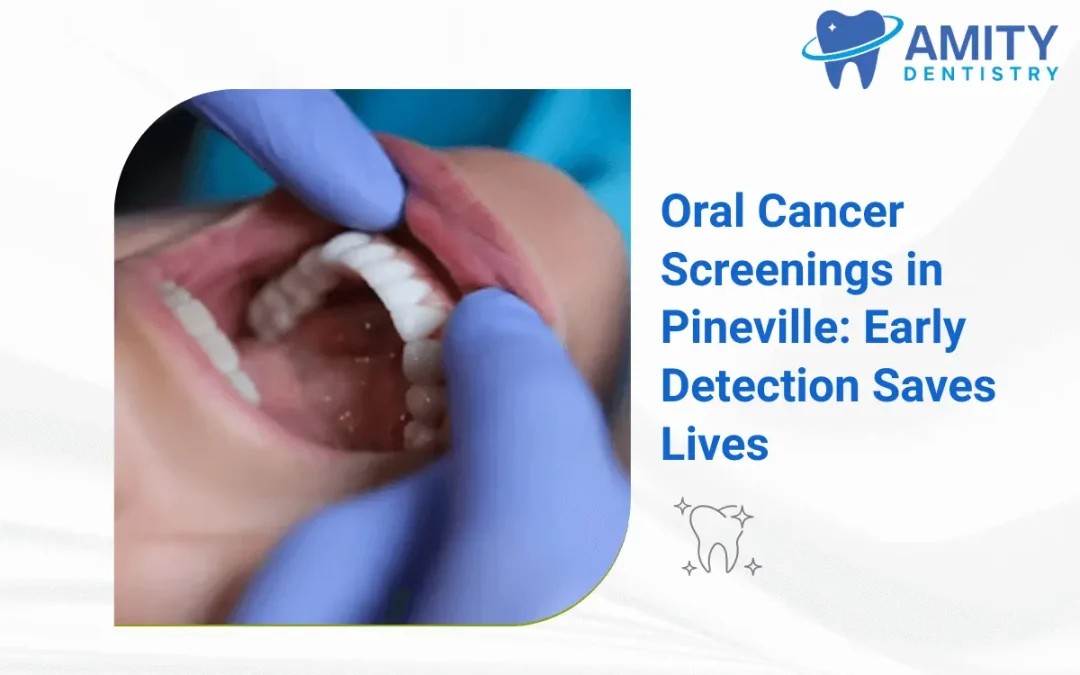
Oral cancer kills approximately 54,000 people worldwide each year. Early detection through systematic screenings increases five-year survival rates from 50% to 90%. Regular examinations identify precancerous lesions and malignancies when treatment options remain most effective.
Understanding Oral Cancer Risk
Oral cancer develops in the lips, tongue, cheeks, floor of mouth, hard and soft palate, sinuses, and throat. Squamous cell carcinomas account for 90% of cases. These cancers originate in the flat cells lining oral surfaces.
Tobacco use represents the primary risk factor. Cigarettes, cigars, pipes, and smokeless tobacco all increase cancer probability. Alcohol consumption compounds tobacco-related risks. Heavy drinkers who smoke face 30 times higher risk than non-users.
Human papillomavirus infection drives the fastest-growing segment of oral cancer cases. HPV-16 specifically links to oropharyngeal cancers affecting the back of the tongue and tonsils. This variant occurs in younger patients without traditional risk factors.
Sun exposure causes lip cancer. Outdoor workers and individuals with prolonged UV exposure show elevated rates. Fair-skinned populations demonstrate higher susceptibility. Previous oral cancer diagnosis increases recurrence likelihood by 20 times.
Age correlates with incidence rates. Most diagnoses occur after age 40, with median diagnosis at 62 years. Men develop oral cancer twice as frequently as women, though this gap narrows as female smoking rates increase. Genetic predisposition plays a role in approximately 10% of cases.
Screening Process and Techniques
Visual examination forms the foundation of oral cancer screening. Dentists inspect all visible oral tissues under bright lighting. Systematic evaluation covers lips, gingiva, buccal mucosa, tongue surfaces, floor of mouth, hard and soft palates, and oropharynx.
Practitioners look for asymmetries, color variations, ulcerations, and unusual growths. Red patches called erythroplakia and white patches termed leukoplakia warrant close attention. Texture changes including roughness, firmness, or induration indicate potential problems.
Palpation follows visual inspection. Dentists use gloved hands to feel for lumps, masses, or abnormal tissue consistency. Bimanual examination of the floor of mouth and tongue base detects deeper abnormalities. Neck palpation identifies enlarged lymph nodes suggesting metastatic spread.
Adjunctive screening tools supplement standard examination. VELscope technology uses blue light fluorescence to highlight abnormal tissue. Suspicious areas appear darker than surrounding healthy tissue. Brush biopsy techniques collect cell samples from questionable lesions without surgical intervention.
Toluidine blue staining marks dysplastic and cancerous cells. Providers apply the dye to suspicious areas and rinse after one minute. Abnormal tissue retains the blue color while normal tissue clears. Positive staining requires biopsy confirmation.
When Oral Cancer Screening Should Occur
Annual screenings suit average-risk adults over age 18. Dental checkups every six months provide opportunities for oral cancer evaluation. These screenings take three to five minutes and integrate seamlessly into routine appointments.
High-risk individuals need more frequent evaluation. Tobacco users should receive screenings every six months minimum. Heavy alcohol consumers follow similar schedules. Patients with previous oral cancer require quarterly examinations for the first two years post-treatment, then biannually.
HPV-positive individuals benefit from annual screenings regardless of age. Immunocompromised patients including HIV-positive individuals and organ transplant recipients need heightened surveillance. Individuals with genetic syndromes predisposing to cancer require customized screening protocols.
Previous precancerous lesion diagnosis triggers increased monitoring. Dentists track these areas at three to six month intervals. Persistent lesions exceeding two weeks duration require immediate evaluation regardless of scheduled appointment timing.
Symptom-prompted visits supplement routine screenings. Patients noticing mouth sores lasting beyond two weeks, lumps, white or red patches, difficulty swallowing, or persistent hoarseness should seek immediate evaluation. Numbness, pain, or bleeding without obvious cause also warrant urgent assessment.
Warning Signs and Symptoms
- Early oral cancer often produces no pain. Visible changes precede discomfort in most cases. A sore or irritation lasting more than two weeks represents the most common initial sign. These lesions fail to heal despite good oral hygiene.
- White or red patches appear on gums, tongue, tonsils, or mouth lining. Leukoplakia presents as thick white patches that cannot be scraped off. Erythroplakia shows as red velvety patches with higher malignant transformation rates than white lesions.
- Lumps or thickening in cheek tissues or neck indicate potential problems. Patients may notice difficulty moving the tongue or jaw. Chewing, swallowing, or speaking become uncomfortable or impaired. Dentures may suddenly fit poorly due to tissue changes.
- Persistent sore throat or hoarseness lasting more than two weeks requires investigation. Voice changes without upper respiratory infection suggest laryngeal involvement. Chronic cough unrelated to smoking cessation or respiratory illness warrants evaluation.
- Numbness or pain in mouth or lips develops as lesions progress. Ear pain occurs with advanced oropharyngeal cancers through referred nerve pathways. Unexplained bleeding from mouth or throat tissues signals tissue breakdown.
- Weight loss accompanies advanced disease when eating becomes difficult. Swollen lymph nodes in the neck persist beyond typical infection resolution timeframes. These nodes feel firm and fixed rather than mobile and tender.
Screening Technology Available in Pineville
Amity Dentistry utilizes comprehensive screening protocols combining traditional examination with advanced detection tools. Standard visual and tactile examination provides baseline assessment. Digital photography documents suspicious areas for comparison at subsequent visits.
VELscope fluorescence visualization enhances detection of abnormalities invisible to the naked eye. This adjunctive tool identifies changes in tissue autofluorescence patterns. Abnormal cells appear darker against healthy tissue fluorescence.
Salivary diagnostics offer non-invasive screening options. These tests detect protein biomarkers associated with oral cancer. Results indicate need for more intensive evaluation. Commercial labs process samples and return results within one week.
Oral brush biopsy provides definitive diagnosis when screening identifies suspicious lesions. This technique collects full-thickness epithelial samples without anesthesia or scalpel incision. Pathologists analyze cellular architecture and identify dysplasia or malignancy.
Referral networks connect patients requiring surgical biopsy or treatment to oral surgeons and oncologists. Amity Dentistry coordinates care transitions and maintains communication throughout diagnostic and treatment phases. Electronic health records facilitate information sharing between providers.
Diagnostic Follow-Up Procedures
Suspicious screening findings trigger diagnostic protocols. Incisional biopsy removes a portion of abnormal tissue for pathological examination. Excisional biopsy removes entire small lesions. Surgeons perform these procedures under local anesthesia in outpatient settings.
Fine needle aspiration evaluates neck masses and enlarged lymph nodes. Cytologists examine collected cells for malignant characteristics. This technique helps stage disease and plan treatment approaches.
Imaging studies determine cancer extent. Panoramic radiographs show bone involvement. CT scans detail soft tissue invasion and lymph node status. MRI provides superior soft tissue contrast for tongue and floor of mouth lesions. PET scans identify distant metastases in advanced cases.
Endoscopic examination visualizes the larynx, pharynx, and esophagus. Otolaryngologists perform these procedures to assess tumor extent and identify synchronous primary cancers. Approximately 15% of oral cancer patients develop second primary tumors in the upper aerodigestive tract.
Pathology reports grade tumors and identify histologic type. Staging incorporates tumor size, lymph node involvement, and metastatic spread. The TNM classification system guides treatment planning and prognosis estimation. Molecular testing identifies HPV status and other biomarkers affecting treatment decisions.
Treatment Options After Detection
Early-stage oral cancer responds well to single-modality treatment. Surgical excision achieves cure rates exceeding 90% for small lesions without lymph node involvement. Surgeons remove tumors with surrounding normal tissue margins to ensure complete excision.
Radiation therapy treats cancers unsuitable for surgery or serves as adjuvant therapy after surgical resection. External beam radiation delivers targeted doses to tumor sites. Brachytherapy places radioactive sources directly into tumor tissue for concentrated treatment.
Advanced disease requires multimodal approaches. Surgery combined with radiation and chemotherapy improves outcomes for large tumors or cases with lymph node involvement. Chemotherapy uses drugs like cisplatin and 5-fluorouracil to kill cancer cells systemically.
Targeted therapy and immunotherapy represent newer treatment options. Cetuximab targets epidermal growth factor receptors on cancer cells. Pembrolizumab and nivolumab activate immune systems to fight cancer. These agents work alone or combined with traditional treatments.
Reconstructive surgery restores function and appearance after tumor removal. Tissue flaps from other body sites rebuild removed structures. Dental rehabilitation including implants and prosthetics restores chewing ability and speech clarity.
Impact of Early Detection
Stage at diagnosis determines survival probability. Localized oral cancer confined to the primary site shows 84% five-year survival. Regional disease involving lymph nodes drops survival to 66%. Distant metastases reduce five-year survival to 39%.
Early detection through screening shifts diagnosis toward earlier stages. Screening programs in high-risk populations identify 40% more early-stage cancers compared to symptom-based detection. Treatment costs decrease substantially when cancer is caught early.
Quality of life improves with early intervention. Small tumor excision preserves tissue and function. Advanced disease treatment causes significant functional impairment including speech difficulties, swallowing problems, and facial disfigurement.
Treatment duration shortens for early-stage disease. Localized cancer may require only single surgery or brief radiation course. Advanced cancer demands months of combined therapy with associated complications and recovery time.
Recurrence rates decline when cancer is detected early. Adequate surgical margins become achievable with smaller tumors. Microscopic disease extension complicates treatment of larger lesions. Second primary tumor risk persists regardless of initial stage, requiring continued surveillance.
Prevention Strategies
Tobacco cessation eliminates the primary risk factor. Smoking cessation reduces oral cancer risk by 50% within five years. Risk approaches baseline after 20 years of abstinence. Pineville offers smoking cessation programs through public health departments and healthcare providers.
Alcohol moderation decreases risk, particularly when combined with tobacco avoidance. Limiting consumption to one drink daily for women and two for men reduces cancer probability. Complete abstinence provides maximum benefit for high-risk individuals.
HPV vaccination prevents infection with cancer-causing viral strains. The vaccine shows maximum effectiveness when administered before sexual activity begins. CDC recommends vaccination for children ages 11 to 12, with catch-up vaccination through age 26.
Sun protection prevents lip cancer. Sunscreen with SPF 30 or higher should cover lips during outdoor activities. Wide-brimmed hats provide additional protection. Limiting midday sun exposure reduces cumulative UV damage.
Dietary factors influence cancer risk. Diets rich in fruits and vegetables provide protective antioxidants. Vitamin A and beta-carotene from food sources show benefits, though supplements demonstrate no protective effect. Adequate hydration maintains healthy oral tissues.
Community Resources in Pineville
Amity Dentistry provides comprehensive oral cancer screening as part of routine preventive dental care. The practice accepts new patients and accommodates urgent evaluations for concerning symptoms. Online appointment scheduling and same-day emergency slots ensure timely access.
Carolinas Medical Center Union offers specialized oncology services for diagnosed cases. The multidisciplinary team includes surgical oncologists, radiation oncologists, medical oncologists, and reconstructive surgeons. Support services address nutritional needs, pain management, and psychosocial concerns.
The American Cancer Society maintains a local office providing patient navigation, support groups, and educational materials. Transportation assistance helps patients reach treatment appointments. Financial counseling connects patients with assistance programs.
Tobacco cessation programs operate through the Mecklenburg County Health Department. Free nicotine replacement therapy and counseling support quit attempts. Group and individual sessions accommodate different learning styles and schedules.
Oral Cancer Foundation offers online resources including survivor stories, treatment information, and support forums. The organization funds research and advocates for screening awareness. Virtual support groups connect patients across geographic distances.
Role of Dental Professionals
Dentists serve as frontline screeners given their regular patient contact. Biannual dental visits provide opportunities to detect cancer before symptoms develop. Professional training in oral pathology equips dentists to identify suspicious lesions.
Hygienists perform preliminary screenings during cleaning appointments. They document findings and alert dentists to abnormalities requiring further evaluation. This team approach maximizes detection sensitivity.
Patient education represents a critical professional responsibility. Dentists discuss risk factors and encourage behavior modification. Written materials and visual aids reinforce verbal counseling. Documentation of counseling satisfies medicolegal requirements and quality metrics.
Referral coordination ensures patients receive appropriate specialty care. Dentists maintain relationships with oral surgeons, otolaryngologists, and oncologists. Clear communication of clinical findings and preliminary impressions facilitates efficient diagnostic workup.
Survivorship care brings patients back to dental practices. Dentists manage oral complications of cancer treatment including xerostomia, mucositis, and radiation-related caries. Dental rehabilitation restores function after reconstructive surgery.
FAQs Oral Cancer Screenings in Pineville
1. How often should I get screened for oral cancer?
Adults over 18 need annual screenings during routine dental visits. High-risk individuals including tobacco users require screenings every six months. Previous oral cancer patients need quarterly examinations for two years, then biannual checks.
2. Does oral cancer screening hurt?
The screening process causes no pain. Visual inspection and gentle palpation comprise the examination. Adjunctive tools like VELscope require no tissue contact. Biopsy procedures use local anesthesia to prevent discomfort.
3. What happens if my dentist finds something suspicious?
Suspicious findings lead to biopsy for definitive diagnosis. Your dentist will refer you to an oral surgeon or specialist. Most suspicious lesions prove benign, but biopsy confirmation remains necessary for proper treatment planning.
4. Can oral cancer be cured if caught early?
Early-stage oral cancer has 84% five-year survival rates. Treatment typically involves surgery alone with excellent functional outcomes. Regular screenings enable detection at these highly treatable stages.
5. Are oral cancer screenings covered by insurance?
Most dental insurance plans cover oral cancer screening as part of routine examinations. Medicare and Medicaid reimburse screening when medically indicated. Adjunctive tests may require separate authorization or payment.