You brush your teeth twice a day. You floss when you remember. You use mouthwash. You might think your oral hygiene routine is complete. You might think you can skip the dentist chair this year. You are mistaken. Home care is vital, but it is not enough. You need professional intervention to maintain true oral health.
Plaque is relentless. Bacteria hide in places your toothbrush cannot reach. These bacteria harden into tartar. Tartar destroys gum tissue. It eats away at the bone. You cannot remove tartar at home. You need a professional with the right tools.
Regular dental cleanings are the foundation of preventive care. They are not just about a bright smile. They are about keeping your teeth for life. They are about protecting your overall health. You need to understand why this appointment is non-negotiable.
Why Plaque and Tartar Are Terrible For Oral Health?
Your mouth is a busy ecosystem. Bacteria live on your teeth and gums. These bacteria feed on sugar and starch from your food. They produce a sticky film called plaque. You can feel this film on your teeth when you wake up.
Brushing removes most plaque. But you miss spots. You miss the back of your molars. You miss the tight spaces between teeth. You miss the gum line.
Plaque hardens when it sits for too long. It calcifies into calculus, or tartar. Tartar is like concrete. It bonds firmly to the tooth enamel. You cannot br ush it off. You cannot floss it away.
Tartar provides a rough surface for more plaque to attach. The bacteria multiply. They produce acid. This acid irritates your gums. Your body fights back with inflammation. This is the start of gum disease.
Only a dental hygienist can remove tartar. They use specialized instruments called scalers. They scrape the hardened deposits off your teeth. They clean above and below the gum line. This process resets your oral hygiene status. You start fresh.
Why You Should Be Wary of Gum Disease?
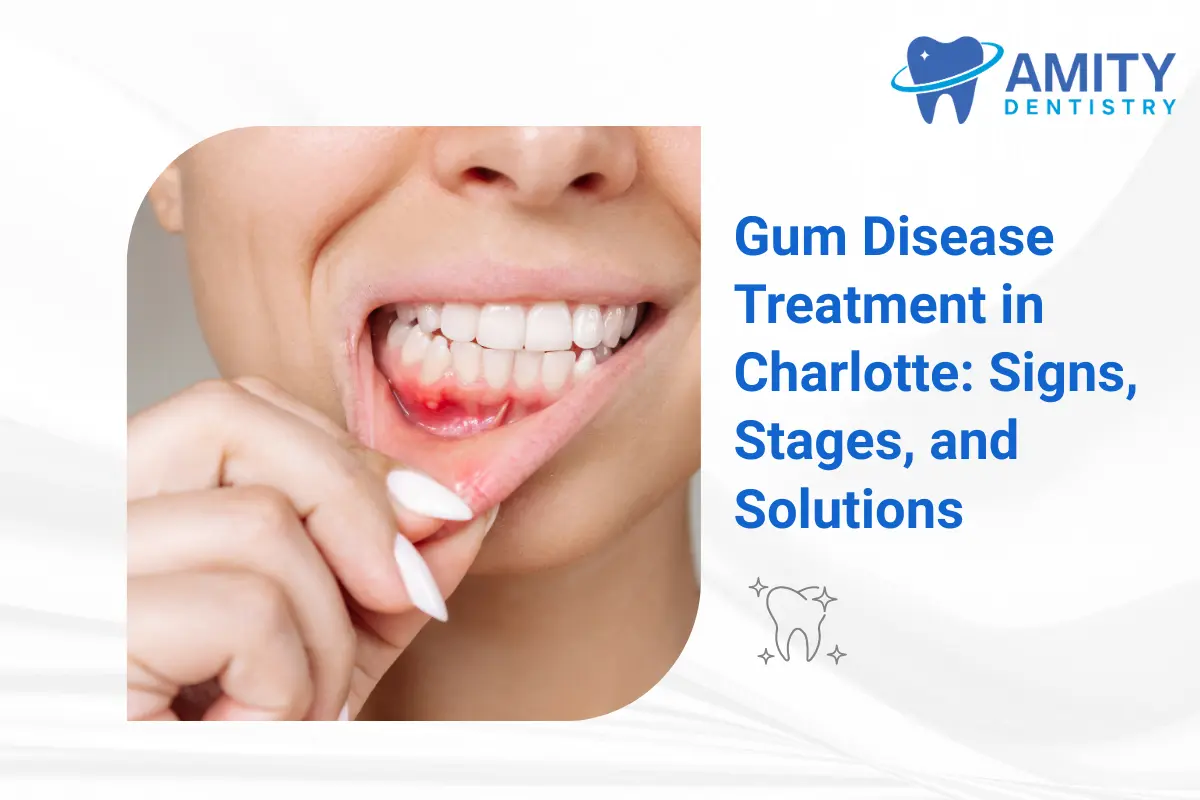
Gum disease does not hurt at first. You might notice bleeding when you floss. You might see red or swollen gums. Many people ignore these signs. They think bleeding is normal. It is not normal.
Gingivitis is the first stage. It is reversible. You can fix it with better home care and a professional cleaning. The hygienist removes the irritants. Your gums heal.
Periodontitis is the next stage. It happens when you ignore gingivitis. The infection spreads deeper. It attacks the ligaments and bone that hold your teeth in place. Pockets form between the teeth and gums. Bacteria fill these pockets.
You cannot clean these pockets at home. The infection eats away the jawbone. Your teeth become loose. They eventually fall out or need extraction. Periodontitis is the leading cause of tooth loss in adults.
Regular cleanings catch gum disease early. Your dentist measures the depth of the gum pockets. They spot the signs of infection before damage occurs. You save your teeth by showing up.
Why It’s Important To Care for Your Oral Health?
Your mouth is not isolated from the rest of your body. It is the gateway to your system. Problems in your mouth affect your general health. Medical research links gum disease to serious systemic conditions.
Heart disease is a major concern. Bacteria from your gums enter your bloodstream. They travel to the arteries in your heart. They contribute to arterial plaque and inflammation. This increases your risk of heart attack and stroke.
Diabetes and gum disease have a two-way relationship. High blood sugar weakens your immune system. You become more susceptible to gum infections. Severe gum disease raises blood sugar levels. It makes diabetes harder to control. You enter a dangerous cycle.
Respiratory infections are another risk. You breathe in bacteria from infected gums. This can lead to pneumonia or other lung issues. This is especially dangerous for the elderly or those with compromised immune systems.
Pregnancy complications also link to oral health. Hormonal changes increase the risk of gum inflammation. Severe gum disease is linked to premature birth and low birth weight.
You protect your heart and body when you care for your teeth. A cleaning is a health check for your entire system.
How You Can Detect Dental Issues Early?
A dental cleaning is more than just cleaning. It is a comprehensive exam. The dentist looks for problems you cannot see or feel.
Cavities often start between teeth. You will not feel pain until the decay reaches the nerve. By then, the hole is deep. You might need a root canal. Routine X-rays during your cleaning appointment spot decay early. A small filling is easy and cheap. A root canal is expensive and complex.
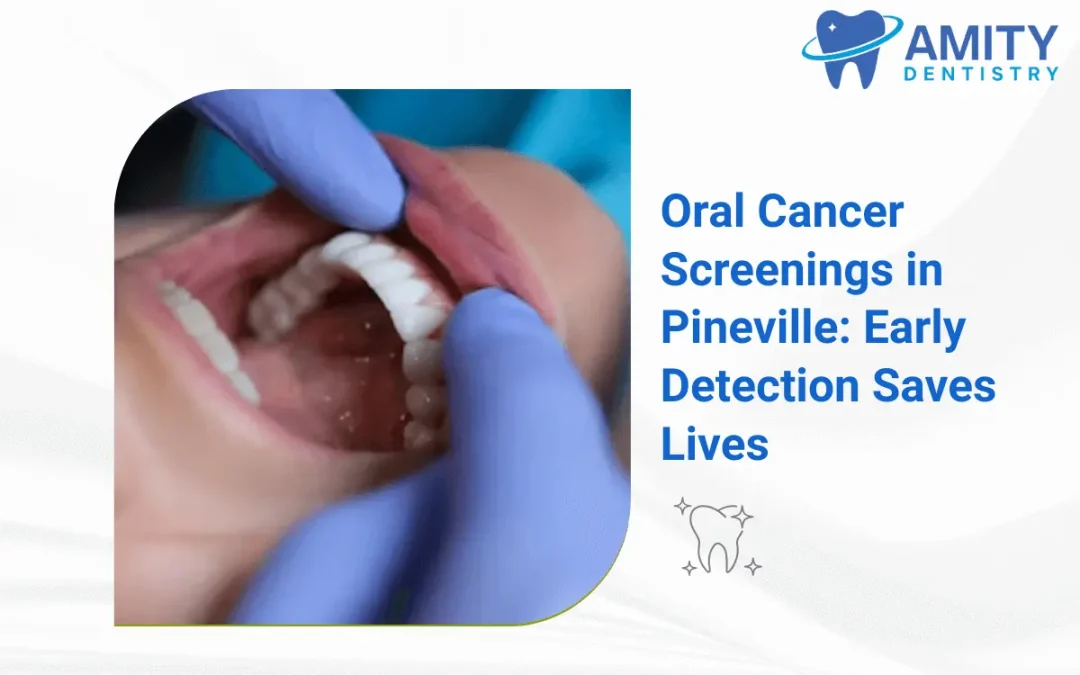
Oral cancer is a serious threat. It kills thousands of people every year. Early detection significantly improves survival rates. Your dentist checks for lumps, discolored patches, and other abnormalities. They check your tongue, throat, and neck. You get peace of mind knowing you are clear.
Broken fillings and fractures also appear during exams. Old dental work does not last forever. Fillings crack. Crowns come loose. Catching these failures early prevents emergencies. You fix the problem before the tooth breaks completely.
Why Dental Health Expenses are Worth It?
Many people skip the dentist to save money. This is a financial error. Preventive dentistry in charlotte care is cheap. Restorative care is expensive.
Compare the costs. A standard cleaning and exam cost a few hundred dollars. Most insurance plans cover this fully or partially.
A cavity filling costs more. A root canal costs significantly more. A crown adds to that cost. A dental implant to replace a lost tooth costs thousands of dollars.
You save money by paying for cleanings. You avoid the high-ticket procedures. You avoid the emergency visits. You avoid the time off work for surgery.
Think of your teeth like a car. You pay for oil changes to avoid replacing the engine. Dental cleanings are your oil change. You invest a little now to save a lot later.
What happens during a cleaning?
Anxiety often stops people from visiting the dentist. You might fear pain or judgment. Understanding the process helps reduce this fear. The steps are standard and straightforward.
The exam comes first. The hygienist or dentist checks your mouth. They use a small mirror. They look for inflamed gums and visible decay.
The scaling process follows. This is the removal of plaque and tartar. The hygienist uses a metal tool called a scaler. You will hear a scraping sound. This is normal. It means the tartar is coming off. They might use an ultrasonic scaler first. This tool uses vibration and water to break up large deposits.
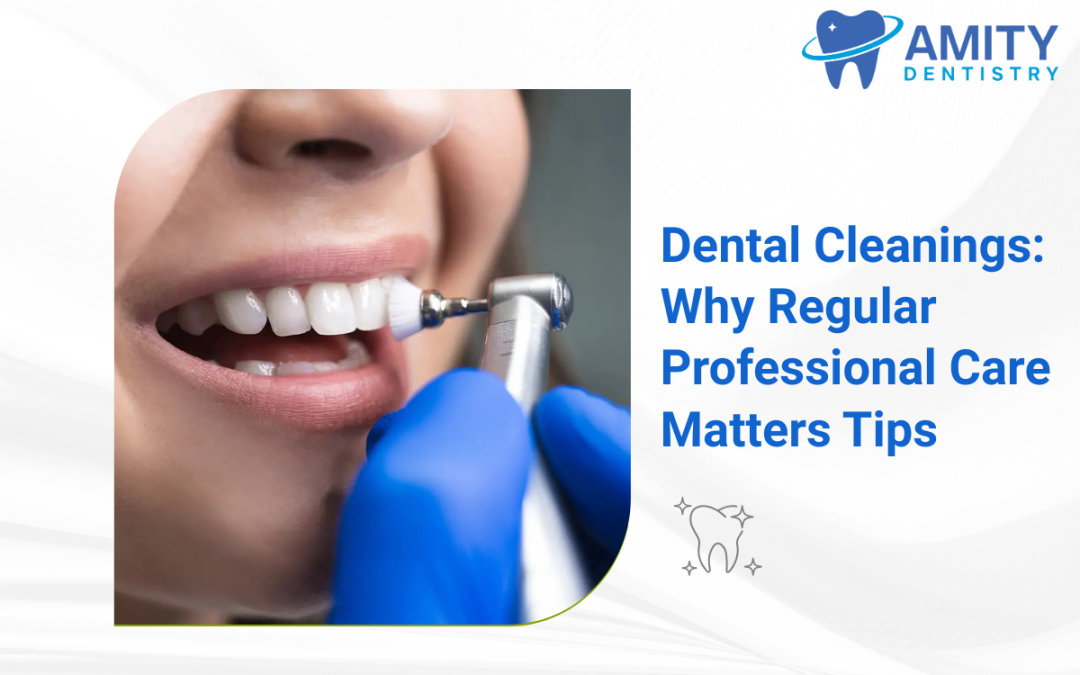
Polishing is the next step. The hygienist uses a high-powered electric brush. They use a gritty toothpaste. This removes surface stains. It polishes the enamel. Your teeth feel smooth afterwards.
Flossing completes the cleaning. The hygienist flosses between every tooth. They remove any remaining grit or plaque.
Fluoride treatment is the final step. You might receive a fluoride varnish or foam. Fluoride strengthens the enamel. It helps fight off acid attacks for months after your visit.
The process is generally painless. You might feel mild discomfort if your gums are sensitive. You can ask for numbing gel. Communication is key.
Your smile is the first thing people notice. Stained teeth affect your confidence. You hide your smile in photos. You cover your mouth when you laugh.
Diet affects your tooth color. Coffee, tea, red wine, and berries stain the enamel. Smoking causes severe yellowing. Brushing helps, but it does not remove deep stains.
A professional cleaning removes external stains. The polishing step lifts the discoloration. Your teeth look brighter immediately. You do not always need expensive whitening treatments. A good cleaning often restores the natural white of your teeth.
Fresh breath is another benefit. Halitosis, or bad breath, usually comes from bacteria. Rotting food particles and infected gums smell bad. Mouthwash only masks the odor. A cleaning removes the source. You leave the office with a clean, neutral breath.
You feel better when your mouth is clean. You smile more. You engage with people more freely. The psychological boost is real.
How Often Should You Visit a Dentist?
The standard recommendation is every six months. This works for most healthy adults. It gives your dentist a chance to catch problems early. It prevents tartar buildup from becoming unmanageable.
Some people need more frequent visits. You fall into this category if you have a history of gum disease. You might need cleanings every three or four months.
Smokers need more frequent care. Smoking restricts blood flow to the gums. It masks the signs of infection. Smokers accumulate tartar faster. Diabetics also benefit from frequent visits. Good oral health helps manage blood sugar levels.
Pregnant women should maintain their schedule. Hormonal gingivitis is common. Regular care keeps the mother and baby safe. Ask your dentist what schedule suits you. They will assess your risk level. Follow their advice.
Pediatric Cleanings
Children need cleanings too. You should take your child to the dentist by their first birthday or when the first tooth appears.
Baby teeth are temporary, but they are important. They hold space for adult teeth. They help with speech development. They help with chewing and nutrition.
Decay in baby teeth spreads quickly. It can damage the developing adult tooth underneath. Early loss of baby teeth leads to crowding and orthodontic issues later.
Regular visits build a habit. Your child learns that the dentist is not scary. They learn proper brushing techniques. The dentist applies sealants to protect molars from decay. You set them up for a lifetime of healthy habits.
The Role of Technology
Modern dentistry in charlotte nc is precise. Technology makes cleanings more effective and comfortable. Digital X-rays use less radiation than old film X-rays. They provide instant images. The dentist can zoom in to see fine details.
Intraoral cameras allow you to see what the dentist sees. They put a wand-like camera in your mouth. The image appears on a screen. You see the cracks. You see the tartar. It helps you understand your diagnosis.
Ultrasonic scalers use high-frequency vibrations. They break down tartar faster than hand tools. They use water to flush away debris. This reduces the time you spend in the chair.
Laser dentistry is becoming common. Lasers can kill bacteria in gum pockets. They reduce bleeding and speed up healing.
Choosing The Right Provider
You need a dental home. You need a team you trust. You want a clinic that prioritizes patient comfort. You want a team that educates you rather than lectures you.
Amity Dentistry serves the Pineville community with this philosophy. The focus is on preventive care. The goal is to keep your natural teeth healthy for as long as possible.
You should look for a Pineville dentist who listens. You should not feel rushed. The staff should explain costs upfront. They should explain the “why” behind every procedure.
A local provider understands the community. They build long-term relationships. They know your dental history. They track changes over years. This continuity of care is valuable.
Overcoming Dental Anxiety
Fear is a barrier. You can overcome it. Start by choosing the right environment. Look for a clinic with a calming atmosphere. Talk to the staff about your fears. They deal with anxiety every day. They have strategies to help you.
Distraction works well. Bring headphones. Listen to music or a podcast during the cleaning. Close your eyes. Control is important. Agree on a stop signal with your hygienist. Raise your hand if you need a break. Knowing you can stop the procedure reduces panic.
Sedation options exist for severe anxiety. Nitrous oxide, or laughing gas, helps you relax. Oral sedation is another option. Ask your dentist what they offer. Do not let fear compromise your health.
What You Can Do at Home
You do the heavy lifting between appointments. Your daily routine determines the success of your professional cleaning.
Brush for two minutes, twice a day. Use a soft-bristled brush. Hard bristles damage gums and enamel. electric toothbrushes are often more effective than manual ones. They have timers to ensure you brush long enough.
Floss daily. There is no substitute for flossing. Water flossers are a good addition, but string floss wipes the tooth surface best. Use a fluoride toothpaste. Fluoride repairs early decay.
Watch your diet. Sugar feeds bacteria. Acidic drinks erode enamel. Drink water after meals to rinse your mouth. Change your toothbrush every three months. Worn bristles do not clean effectively.
Conclusion
You get one set of permanent teeth. Replacements are expensive and never quite the same as the original. You must protect what you have.
Regular dental cleanings in pineville charlotte are the cheapest insurance policy for your smile. They prevent pain. They prevent unsightly decay. They prevent bad breath. They protect your heart and body.
You simply need to make the appointment. It is one hour out of your life every six months. The return on investment is massive.
Residents in Pineville have access to quality care. Amity Dentistry in charlotte nc is ready to support your oral health journey. Do not wait for a toothache. Do not wait for a broken tooth. Be proactive.
Your health is your responsibility. Your trusted dentist in charlotte is ready to improve your smile. Schedule your appointment at 980-423-1244 and Book Now.