You look in the mirror and see a space between your teeth. This gap might be a small slit or a wide opening. You might feel self-conscious when you smile. You might notice food getting stuck there after every meal. Understanding the nature of this gap is the first step toward fixing it.
Many patients use the terms diastema and parted teeth interchangeably. In dentistry, these conditions differ in their origin and implications. One is often developmental or genetic. The other is frequently a sign of an underlying health issue or a habit. Recognizing the difference helps you choose the right path for treatment.
A good dental clinic offers comprehensive evaluation and care for both conditions. They assess the health of your gums and the position of your roots. They guide you toward the solution that restores your smile and protects your oral health.
What Is Diastema?
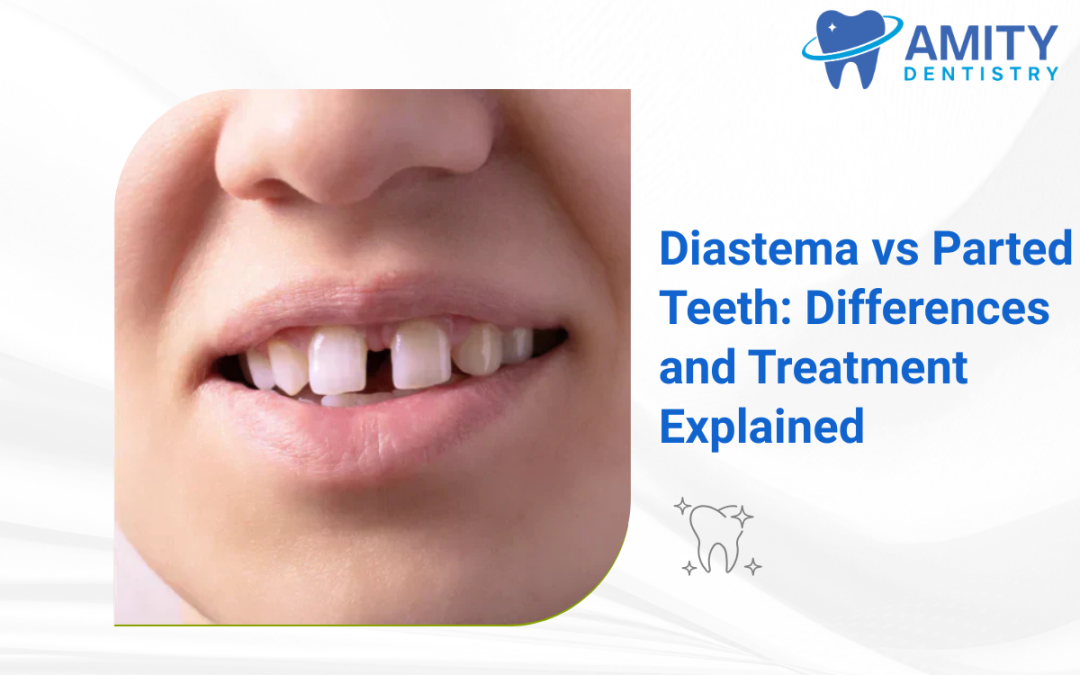
Diastema refers to a gap between two teeth. It appears most commonly between the two upper front teeth. Dentists call this a midline diastema. This space is often natural. You might notice it in children when their permanent teeth first erupt. In many cases, these spaces close on their own as the adult canine teeth come in.
For adults, a diastema is usually a stable condition. The gap exists because of a mismatch between the size of the jaw and the size of the teeth. If your jaw bone is large but your teeth are small, spaces form. This is a genetic trait. If your parents had gaps, you will likely have them too.
Another common cause involves the labial frenum. This is the piece of tissue connecting your upper lip to your gums. Touch your tongue to the area above your front teeth. You feel a small band of tissue. If this tissue grows too thick or attaches too low on the gum line, it pushes the front teeth apart. It acts as a physical barrier. The teeth cannot close the gap because the tissue blocks them.
Diastema is rarely painful. It does not typically indicate an active disease. It is a structural characteristic of your mouth. Many people choose to keep their diastema. They view it as a unique feature of their appearance. Others choose to close it for cosmetic reasons.
What Are Parted Teeth?
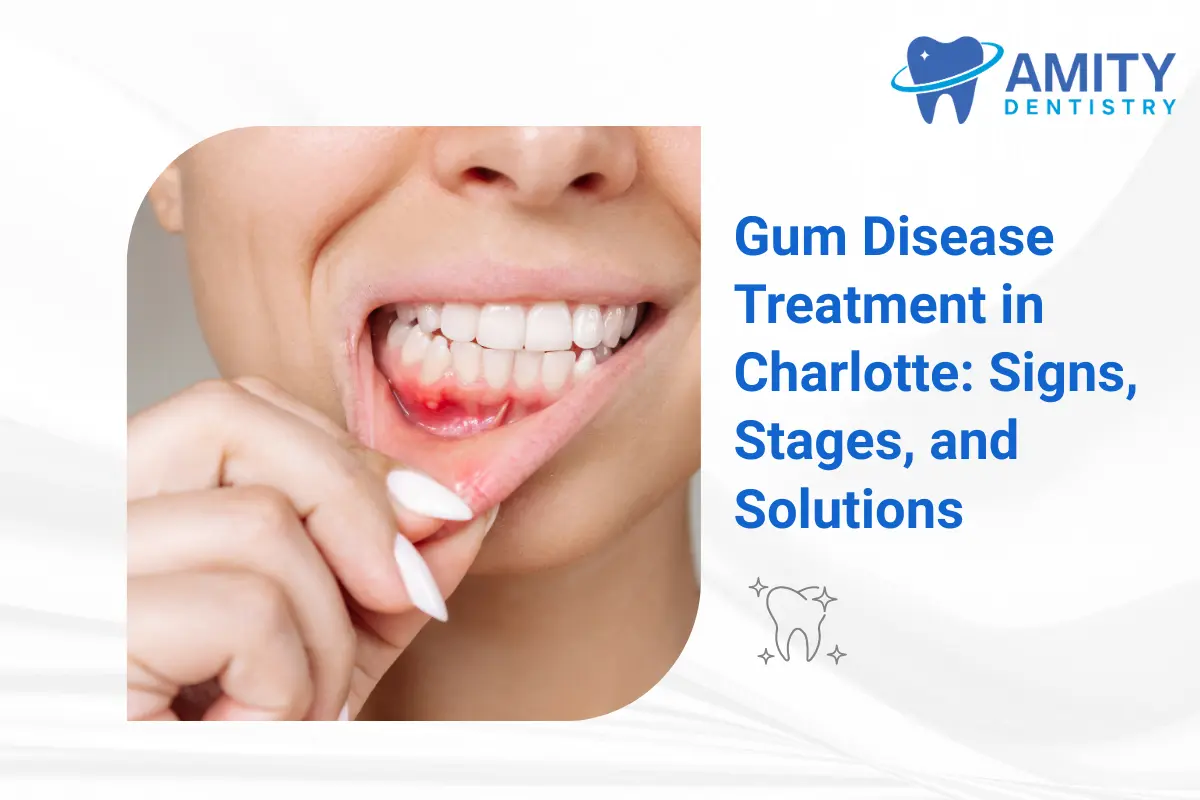
Parted teeth describe a condition where gaps form over time. Your teeth were once touching. Now they are drifting apart. This movement signals a change in your oral environment. Unlike a natural diastema, parted teeth often point to an active problem requiring medical attention.
Gum disease treatment in pineville is the primary culprit here. Periodontitis infects the gums and the bone supporting the teeth. As the infection progresses, you lose bone density. The foundation of the tooth becomes weak. The teeth lose their stability. Normal biting pressure pushes them outward or sideways. This splaying creates new gaps. You might notice your teeth look longer as the gums recede.
Habits also force teeth apart. Tongue thrusting is a common issue. When you swallow, your tongue should press against the roof of your mouth. Some people push their tongue against their front teeth instead. This constant pressure over years moves the teeth forward and creates spaces.
Missing back teeth cause parting as well. Your teeth rely on each other for support. If you lose a molar and do not replace it, the remaining teeth drift into the empty space. This shifting creates gaps elsewhere in the arch.
Why Gaps Require Attention
You might think a gap is purely a cosmetic concern. While aesthetics matter, spaces in your smile affect your oral health. Gaps create food traps. Fibrous foods like meat and vegetables get stuck between the teeth. If you do not clean these areas immediately, bacteria multiply. This leads to gum inflammation and cavities on the sides of the teeth.
Speech issues arise from large gaps. Your tongue needs a solid surface to form certain sounds. A wide gap allows air to escape. This results in a whistling sound when you speak or a lisp. Correcting the gap improves speech clarity.
Bite alignment suffers when teeth drift. If your teeth are not in the correct position, your jaw joints take extra stress. This leads to headaches and jaw pain. Parted teeth caused by gum disease indicate a risk of tooth loss. Ignoring the drift allows the infection to destroy more bone. Eventually, the teeth become too loose to save.
How Orthodontics Fixes Gaps
Orthodontic treatment moves teeth through the bone. This is the most natural way to close a space. It addresses the root cause by repositioning the roots.
Traditional Metal Braces
Braces offer precise control. The dentist bonds metal brackets to your teeth. A wire connects these brackets. The wire applies steady pressure. This pressure stimulates the bone to remodel. The teeth slide together gradually. Braces work well for complex cases. If you have gaps in multiple areas or if your bite is misaligned, braces provide a comprehensive solution.
Elastics or rubber bands help close specific spaces. The dentist attaches a power chain. This is a connected row of elastic rings. It pulls the teeth toward each other. Braces require regular visits to Amity Dentistry for adjustments. Treatment time varies from six months to two years depending on the severity of the spacing.
Clear Aligners
Adults often prefer a less visible option. Clear aligners like Invisalign use a series of custom-made plastic trays. You wear each set of trays for about two weeks. The trays apply pressure to specific teeth. They gently push the teeth together to close the diastema.
Aligners are removable. You take them out to eat and brush. This makes hygiene easier than with braces. You must wear them for at least 22 hours a day for effective movement. Aligners work best for mild to moderate spacing issues. They fix the gap without covering your natural tooth structure.
How Cosmetic Dentistry Fixes Gaps?
Orthodontics takes time. Some patients desire a faster result. Cosmetic dentistry masks the gap rather than moving the teeth. These options work best when the gap is small and the teeth are healthy.
Dental Bonding
Bonding is the quickest solution. The dentist applies a tooth-colored resin material to the sides of the teeth. They shape the material to widen the tooth. By making the teeth slightly wider, they close the space between them.
The process is painless and requires minimal preparation. The dentist etches the tooth surface to help the material stick. They apply the resin and harden it with a special light. They polish the result to match the shine of your natural enamel. Bonding usually takes one visit. It is less expensive than other options. The material stains over time and might chip if you bite hard foods.
Porcelain Veneers
Veneers offer a durable and aesthetic correction. A veneer is a thin shell of porcelain. The dentist bonds it to the front surface of the tooth. To close a gap, the dentist designs the veneers to be slightly wider than your natural teeth.
The procedure typically involves two appointments. During the first visit, the dentist removes a small amount of enamel. This makes room for the veneer. They take an impression of your teeth. The lab creates your custom veneers. At the second visit, the dentist bonds the veneers in place. Porcelain resists staining. It looks like natural tooth enamel. Veneers last many years with proper care.
Dental Crowns
Crowns cover the entire tooth. This option is necessary if the teeth next to the gap are damaged or have large fillings. The crown adds structure and strength. Like veneers, the dentist shapes the crowns to fill the empty space. This closes the gap while restoring the function of the compromised teeth.
Surgical Intervention for Diastema
Sometimes a physical obstruction prevents gap closure. The labial frenum is the tissue connecting the lip to the gum. A large or low-attached frenum pushes teeth apart. Orthodontics alone will not work in this scenario. The tissue will push the teeth open again after the braces come off.
A frenectomy solves this problem. This is a minor surgical procedure. The dentist removes the excess tissue. Modern techniques often use a laser. The laser minimizes bleeding and speeds up healing. The procedure takes less than an hour. You feel little discomfort.
Dentists usually perform a frenectomy in conjunction with orthodontic treatment. The braces close the gap. The surgery ensures the gap stays closed. Amity Dentistry evaluates the frenum during your initial consultation to determine if surgery is necessary.
Restorative Solutions for Missing Teeth
If your gap exists because a tooth is missing, closing it with braces might not be the right choice. Moving teeth into a large space takes a long time and disrupts the bite. Replacing the missing tooth is often the better strategy.
Dental Implants
An implant replaces the tooth root. The dentist places a titanium post into the jawbone. The bone heals around the post. A crown sits on top of the post. This fills the gap with a standalone tooth. Implants prevent the surrounding teeth from shifting. They stimulate the bone to prevent loss.
Dental Bridges
A bridge spans the empty space. It uses the neighboring teeth for support. The dentist places crowns on the adjacent teeth. These crowns hold a false tooth in the middle. Bridges are a fixed solution. They do not require surgery. They restore the appearance of a full smile quickly.
Prevention and Maintenance
Preventing parted teeth starts with gum health. Regular brushing and flossing remove the bacteria that cause periodontitis. Healthy gums hold teeth firmly in place. If you notice bleeding when you brush, schedule a checkup immediately. Early treatment of gum disease stops the bone loss that leads to drifting teeth.
Breaking harmful habits is essential. If you thrust your tongue against your teeth, you need to retrain your swallowing pattern. A dentist or a myofunctional therapist provides exercises to help you correct this habit. Orthodontic appliances also help block the tongue from pushing forward.
Wearing a retainer is mandatory after orthodontic treatment. Teeth have a memory. They want to move back to their original positions. A fixed retainer is a wire bonded behind the front teeth. It stays in place permanently. A removable retainer is a plastic tray you wear at night. Failure to wear the retainer results in the gap opening again. This is called relapse.
The Cost of Treatment
The price of fixing a gap depends on the complexity of the case and the method you choose. Bonding is the most affordable option. It suits minor cosmetic adjustments. Veneers cost more due to the lab work and materials. Orthodontics represents a larger investment because of the duration and regular appointments.
Insurance often covers orthodontic treatment if it provides a medical benefit. Cosmetic procedures like veneers typically fall outside insurance coverage. Amity Dentistry provides a detailed cost breakdown during your consultation. We explain the fees associated with each option. We help you find a payment plan that fits your budget.
Why Choose Amity Dentistry in Charlotte
Your smile requires a personalized approach. Amity Dentist in Pineville combines expertise in orthodontics and restorative care. We do not force a single solution on every patient. We analyze the cause of your spacing. We look at the frenum. We check the gum health. We measure the tooth size discrepancy.
Our clinic uses digital imaging to plan your treatment. You see the predicted result before we start. We use high-quality materials for bonding and veneers. Our orthodontic team stays updated on the latest techniques for faster and more comfortable tooth movement.
We focus on long-term stability. Closing the gap is only half the battle. Keeping it closed requires proper retention and hygiene. We support you through the entire process. We ensure your smile stays healthy and gap-free for years to come. Want a beautiful smile in Charlotte? Our experienced dentist can help. Call 980-423-1244 and Book Now today!