You experience a sharp throb in your jaw. Cold water sends a shock through your teeth. Chewing becomes a chore. These symptoms point to a problem deep inside your tooth. The solution is often root canal therapy. This procedure saves natural teeth. It stops infection. It preserves your smile. Amity Dentistry provides expert endodontic care to resolve these issues. We focus on comfort and precision.
What Your Tooth is Comprised of
- Enamel: The hard outer white layer. It defends against wear.
- Dentin: The softer yellow layer under enamel. It supports the structure.
- Pulp: The soft tissue at the center. It contains blood vessels, nerves, and
connective tissue.
The pulp extends from the crown down to the tip of the roots. It connects to the tissues surrounding the root. The pulp is vital during growth. A fully developed tooth functions without it. The tooth survives because the surrounding tissues provide nourishment.
Why Infection Happens
Bacteria live in your mouth. They convert sugar into acid. This acid eats away enamel and creates cavities. If you ignore a cavity, the decay spreads. It moves through the enamel. It eats through the dentin. It reaches the pulp. Trauma also damages pulp. A crack, a loose filling, or repeated dental work causes
inflammation. The pulp swells. It dies. Bacteria multiply inside the dead pulp chamber. This causes an infection or an abscess. An abscess is a pus-filled pocket at the end of the root.
The infection spreads past the root ends. It damages the bone around the tooth. You lose bone density. The tooth becomes loose. You risk losing the tooth entirely.
Signs You Need Treatment
Persistent Pain
Pain is the most common indicator. The pain troubles you all the time. It comes and goes. It throbs. You feel it deep in the bone. You feel it in your face, jaw, or other teeth. chewing aggravates it.
Sensitivity to Temperature
Drink a hot cup of coffee. Eat ice cream. Do you feel a sharp pain? Does the pain linger after you swallow? Prolonged sensitivity to heat or cold suggests nerve damage.
Tooth Discoloration
Trauma or breakdown of internal tissue discolors the tooth. It turns grey or black. This indicates the pulp is dead or dying.
Swollen Gums
Look at your gums. Do you see swelling near the painful tooth? The gum area feels tender. It looks red. You might see a small pimple on the gum. This is a sinus tract or fistula. It drains pus from the infection into your mouth. It leaves a bad taste.
Pain When Touching
Tap the tooth. Touch it with your tongue. If this causes sharp pain, the nerve is dying. The ligament around the root is inflamed.
No Symptoms
Sometimes you feel nothing. The infection progresses silently. A dentist discovers the issue during a routine exam or X-ray. Regular checkups at Amity Dentistry catch these silent problems.
What Is Root Canal Therapy?
Root canal therapy removes the infected pulp. The dentist cleans the inside of the tooth. They disinfect the canals. They fill the space to prevent future infection. Many people fear this term. They associate it with pain. This reputation is outdated. Modern anesthesia makes the procedure comfortable. It feels similar to getting a deep filling. The treatment relieves pain. It does not cause it. The pain comes from
the infection. The procedure eliminates the source of the pain. Understanding the steps reduces anxiety. Here is the process.
Diagnosis and Preparation
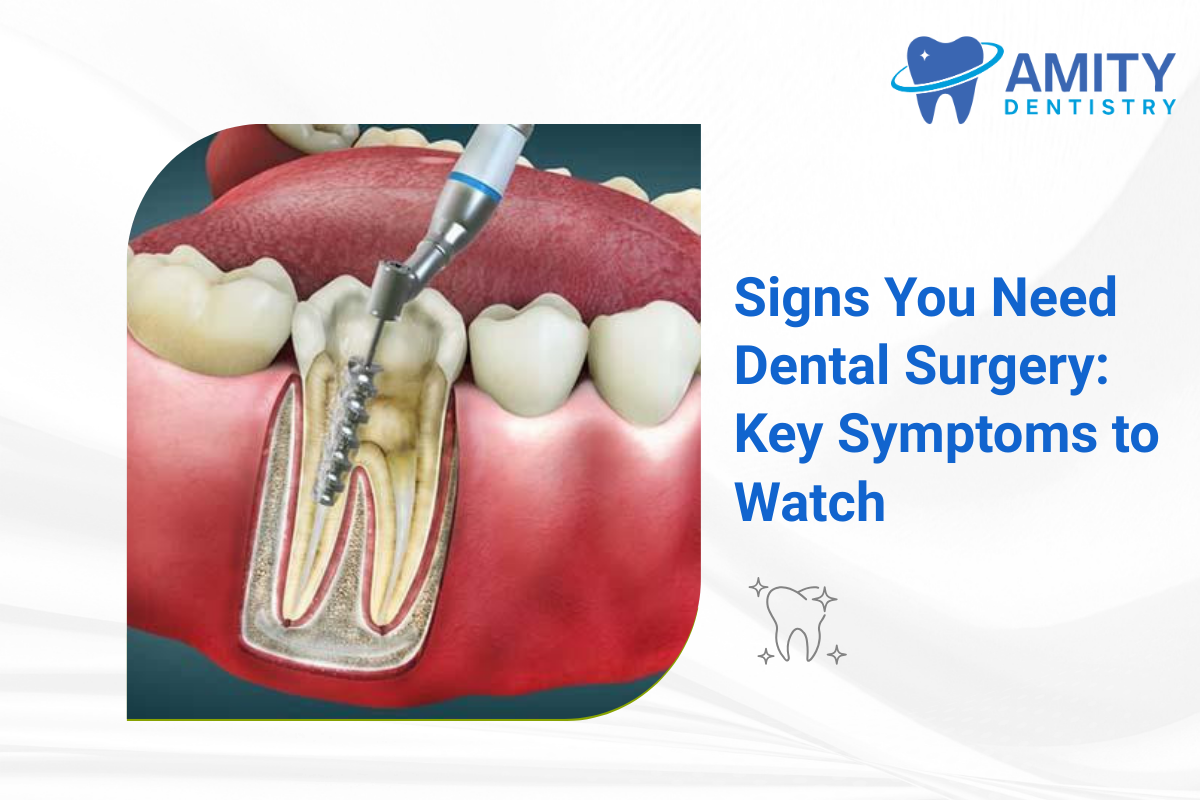
The dentist takes X-rays. These images show the shape of the root canals. They show signs of infection in the surrounding bone. The dentist uses local anesthesia to numb the area. You feel a pinch. Then you feel nothing. The dentist places a rubber dam around the tooth. This sheet keeps the area dry. It keeps saliva and bacteria away from the open tooth.
Accessing the Pulp
The dentist drills a small access hole. For back teeth, the hole is on the top. For front teeth, it is behind the tooth. This opening provides access to the pulp chamber.
Cleaning and Shaping
The dentist removes the diseased pulp. They use small, precise files. These tools clean the length of the root canals. The dentist shapes the canals to accept the filling material. They use irrigation solutions. These fluids kill bacteria. They flush out debris.
Filling the Canals
The dentist fills the empty canals. They use a rubber-like material called gutta percha. They place it with adhesive cement. This seals the canals completely. It prevents bacteria from re-entering.
Restoration
The tooth needs structural support. The dentist places a temporary filling to close the opening. You return later for a permanent restoration. A root canal weakens the tooth structure. The tooth becomes brittle without a blood supply. A crown is usually necessary. The crown protects the tooth from breaking. It restores full function.
Recovery Expectations
Your mouth feels numb for a few hours. Do not chew until the numbness fades. You risk biting your cheek or tongue. You expect some soreness. The tissue around the tooth remains inflamed for a few
days. This is normal healing. Over-the-counter medication manages this discomfort effectively. Ibuprofen or acetaminophen works well.
Follow these guidelines for a smooth recovery:
- Avoid chewing on the treated tooth until you get the permanent crown.
- Brush and floss normally. Keep the area clean.
- Eat soft foods for two days. Yogurt, eggs, and soup are good choices.
- Avoid sticky or hard foods.
- Contact Amity Dentistry if swelling increases or pain returns.
A treated tooth lasts a lifetime with proper care. The tooth is still susceptible to cavities. Gum disease affects the bone holding the tooth. Good oral hygiene is mandatory.
- Brush twice a day.
- Floss daily.
- Visit your dentist for cleanings and exams.
Why Extraction May Not Be The Best Option
Some patients ask to pull the tooth. They think it is cheaper. They think it is faster. Extraction has consequences.
Bone Loss
Roots stimulate the jawbone. When you remove a tooth, the bone dissolves. Your face shape changes over time.
Shifting Teeth
Teeth support each other. Remove one, and the others shift. Your bite changes. This causes jaw pain and difficulty chewing.
Cost of Replacement
Replacing a missing tooth is expensive. An implant or bridge costs more than a root canal and crown. Saving the natural tooth is the most cost-effective option.
Function
Natural teeth function better than artificial ones. You keep your natural biting force. You maintain normal sensation.
Extraction is a last resort. We recommend it only when the tooth has a severe fracture or inadequate bone support.
Common Myths
Myth: The treatment causes illness.
False. Long ago, people claimed root canals caused systemic diseases. No scientific evidence supports this. Millions of treatments happen every year. They are safe. They eliminate bacteria from your body.
Myth: Pulling the tooth is better.
False. Nothing replaces your natural tooth perfectly. Artificial teeth require maintenance. They fail over time. Saving the natural structure is always the priority.
Myth: Pregnant women must avoid treatment.
False. You need to treat the infection. An infection poses a greater risk to the baby than the procedure. Local anesthesia is safe. X-rays use shielding to protect you and the baby.
The Cost
Cost varies based on the tooth. Molars are harder to treat. They have more roots. They cost more. Front teeth have one root. They cost less.
Dental insurance typically covers a portion of the cost. It is a basic restorative procedure. Amity Dentistry works with your provider to maximize benefits. We offer payment plans to make care accessible.
Think of the cost as an investment. You invest in your health. You avoid expensive replacements. You keep your smile.
Why Choose Amity Dentistry?
Expertise
We understand endodontics. We perform these procedures daily. We stay updated on the latest techniques.
Technology
We use digital X-rays. This reduces radiation. It provides instant images. We use rotary instruments for precise cleaning. We use electronic apex locators to measure root length accurately.
Comfort
We prioritize your experience. We explain every step. We ensure you are numb. We offer sedation options for anxious patients.
Comprehensive Care
We handle the entire process. From diagnosis to the final crown, we do it all. You stay in one office. You work with one team.
Taking Action
Do not ignore tooth pain. Infection spreads quickly. It moves to your neck. It moves to your brain. It becomes life-threatening in extreme cases.
- Limit sugar intake.
- Drink water with fluoride.
- Wear a mouthguard during sports.
- Treat cavities early.
Timely treatment saves the tooth. It stops the pain immediately. It protects your overall health. Amity Dentistry is ready to help. We inspect the problem. We provide a clear plan. We get you out of pain. Looking for top dental care in Charlotte? Don’t wait to enhance your smile. Call 980-423-1244 and Book Now.