Dental Implants

Dental Implants

Missing teeth create problems beyond appearance. They complicate eating, affect speech, and cause surrounding teeth to shift. Dental implants in Charlotte provide a permanent solution that functions like natural teeth.

A dental implant is a titanium post placed surgically into your jawbone. It fuses with the bone over several months through a process called osseointegration. Once healed, we attach a custom crown that matches your other teeth. The result is stable, comfortable, and built for decades of use.
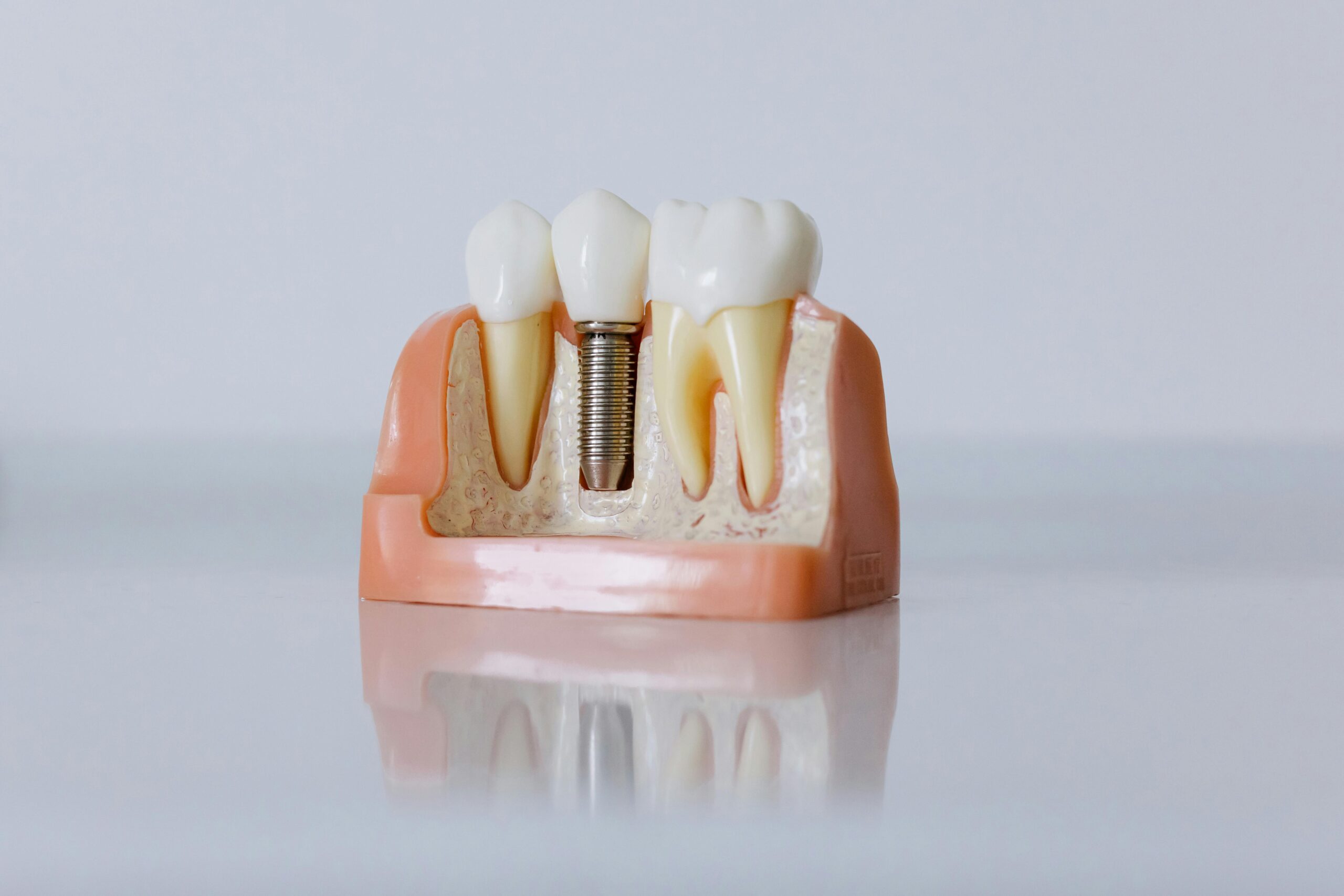

The Dental Implant Process

  • Treatment begins with comprehensive evaluation including X-rays and CT scans to assess bone quality and quantity. We review your medical history to ensure you’re a good candidate. If you have insufficient bone, we may recommend bone grafting before implant placement.
  • During the surgical phase, we place the titanium post into your jawbone under local anesthesia. The procedure is precise and controlled. Most patients report minimal discomfort during and after surgery. The implant then needs several months to integrate with the bone before we can attach the final restoration.
  • After healing, we attach an abutment to the implant. This connector piece holds the final crown. We take impressions to create a custom crown that matches your natural teeth in size, shape, and color. Once the crown is fabricated, we attach it to the abutment, completing the restoration.

Types Of Implant Solutions

  • Single tooth implants replace individual missing teeth without affecting adjacent teeth. Unlike bridges, which require grinding down healthy neighboring teeth for support, implants are independent restorations.
  • Multiple implants can support bridges when several consecutive teeth are missing. This provides stable restoration without the removable nature of partial dentures.
  • All-on-4 dental implants use four strategically placed implants to support a full arch of teeth. This approach often eliminates the need for bone grafting and can be completed faster than traditional full-mouth implant methods.
  • Implant-supported dentures snap onto several implants, providing much better stability than traditional dentures. They don’t slip or click when eating or speaking, and they feel more like natural teeth.

Advantages Of Dental Implants

Dental implants in Charlotte, NC preserve jawbone. When you lose teeth, the bone beneath them begins deteriorating because it lacks stimulation from chewing forces. Implants transfer these forces to the bone just like natural tooth roots, maintaining bone density and facial structure.

Implants don’t require alteration of healthy adjacent teeth. Bridges require grinding down two healthy teeth to serve as anchors. Implants stand independently, leaving other teeth untouched.

Maintenance is straightforward. You brush and floss implants like natural teeth. They don’t get cavities, though the surrounding gum tissue needs to stay healthy. Regular dental checkups ensure everything stays in good condition.

Implants provide better chewing ability than other replacement options. Because they’re anchored firmly in bone, you can bite with the same force as natural teeth. This means no dietary restrictions and better nutrition.

Candidacy Requirements

Most people with good overall health and adequate jawbone are candidates for dental implants. Certain conditions require special consideration. Uncontrolled diabetes can affect healing. Heavy smoking reduces success rates. Some medications, particularly those affecting bone metabolism, may complicate treatment.

If you lack sufficient bone, bone grafting can often rebuild what’s needed. This adds time to the process but makes implants possible for many people who wouldn’t otherwise qualify.

Good oral hygiene is essential. While implants don’t get cavities, poor hygiene can lead to peri-implantitis, an infection of the tissues surrounding the implant. This can cause bone loss and implant failure.
Long-Term Success

With proper care, implants can last 25 years or longer. The crown may need replacement after 10 to 15 years due to normal wear, but the implant itself typically remains stable for life.

Success rates exceed 95% for most patients. Factors affecting longevity include oral hygiene, regular dental visits, avoiding tobacco, managing medical conditions properly, and protecting implants from excessive forces if you grind your teeth.
Cost Considerations

Cost of dental implants reflects the materials used, surgical expertise required, and long-term value provided. While the initial investment exceeds other options, the durability and functionality often make implants more cost-effective over time.

Full mouth dental implants cost varies based on how many implants are needed and what type of restoration is used. All 4 dental implants cost less than placing individual implants for each missing tooth while still providing excellent results.

We offer dental implants financing to make treatment accessible. Many patients use payment plans to spread costs over time. Some dental insurance plans provide partial coverage, especially if tooth loss resulted from accident or injury.

FAQs

Frequently Asked Questions

1. How much do dental implants cost?

Cost of dental implants varies based on quantity needed and whether you require bone grafting for dental implants. Full mouth dental implants cost and all 4 dental implants cost are higher but provide complete restoration. Dental implants financing makes treatment accessible.

2. How long do dental implants last?

Dental implants can last 25 years or longer with proper care. The dental implant procedure and material quality contribute to longevity, making them one of the best dental implants options for permanent tooth replacement.

3. What types of dental implants are available?

We offer traditional implants, all on four dental implants, and snap on dental implants for denture stabilization. The best dentists for dental implants in Charlotte, NC help you select the right option.

4. Does dental insurance cover implants?

Some dental insurance plans provide partial coverage for dental implants, particularly if tooth loss resulted from injury. Insurance and dental implants coverage varies. We verify your dental insurance for implants benefits.

5. Do dental implants hurt?

Dental implant surgery uses local anesthesia, so you feel no pain during the procedure. After surgical dental implants placement, most people report mild discomfort manageable with over-the-counter pain relievers. Before and after dental implants, patients typically find the results worth any temporary discomfort.

Our Services

Explore Other Amity Services

Preventive dentistry for kids includes regular cleanings, fluoride treatments, dental sealants, and education on proper brushing and flossing........
A dental implant is a titanium post placed surgically into your jawbone. It fuses with the bone over several months through a process called osseointegration.......
Whether you need weekend emergency dental care or 24-hour emergency dental care guidance, we focus on eliminating pain and stabilizing the problem quickly......

The Health Insurance Partners We Work With

Contact Us

Follow Us