Gums provide the foundation for teeth. When gums fail, everything else deteriorates. Periodontal care in Charlotte focuses on preventing and treating gum disease, which affects nearly half of adults over 30.
Periodontal disease starts as gingivitis with red, swollen, bleeding gums. It can progress to periodontitis, where bone supporting teeth deteriorates. Left untreated, it causes tooth loss. Periodontal disease care is available, and early stages are reversible.
Gum disease begins with plaque, a sticky film of bacteria constantly forming on teeth. When plaque isn’t removed through brushing and flossing, it hardens into tartar. Tartar irritates gums and creates pockets between teeth and gums where more bacteria accumulate.
In gingivitis, gums become inflamed but bone and connective tissue remain intact. Symptoms include red, swollen gums that bleed during brushing or flossing. At this stage, professional cleaning and improved home care can reverse the condition.
Without treatment, gingivitis progresses to periodontitis. Gums pull away from teeth, creating deeper pockets. Bacteria and tartar extend below the gum line. The immune system fights the infection, but the resulting inflammation damages bone and connective tissue. Teeth can become loose and may eventually need extraction.
Several factors increase gum disease risk. Smoking is the most significant. It weakens the immune system and reduces blood flow to gums, impairing healing. Genetics play a role; some people are more susceptible regardless of oral hygiene habits.
Diabetes affects the body’s ability to fight infection, making gum disease more likely and harder to control. Certain medications reduce saliva flow, allowing more bacteria to accumulate. Hormonal changes during pregnancy, menopause, or monthly menstrual cycles can make gums more sensitive.
Poor nutrition weakens the immune system. Stress has similar effects. Grinding or clenching teeth puts excess force on tooth-supporting structures, accelerating damage from gum disease.
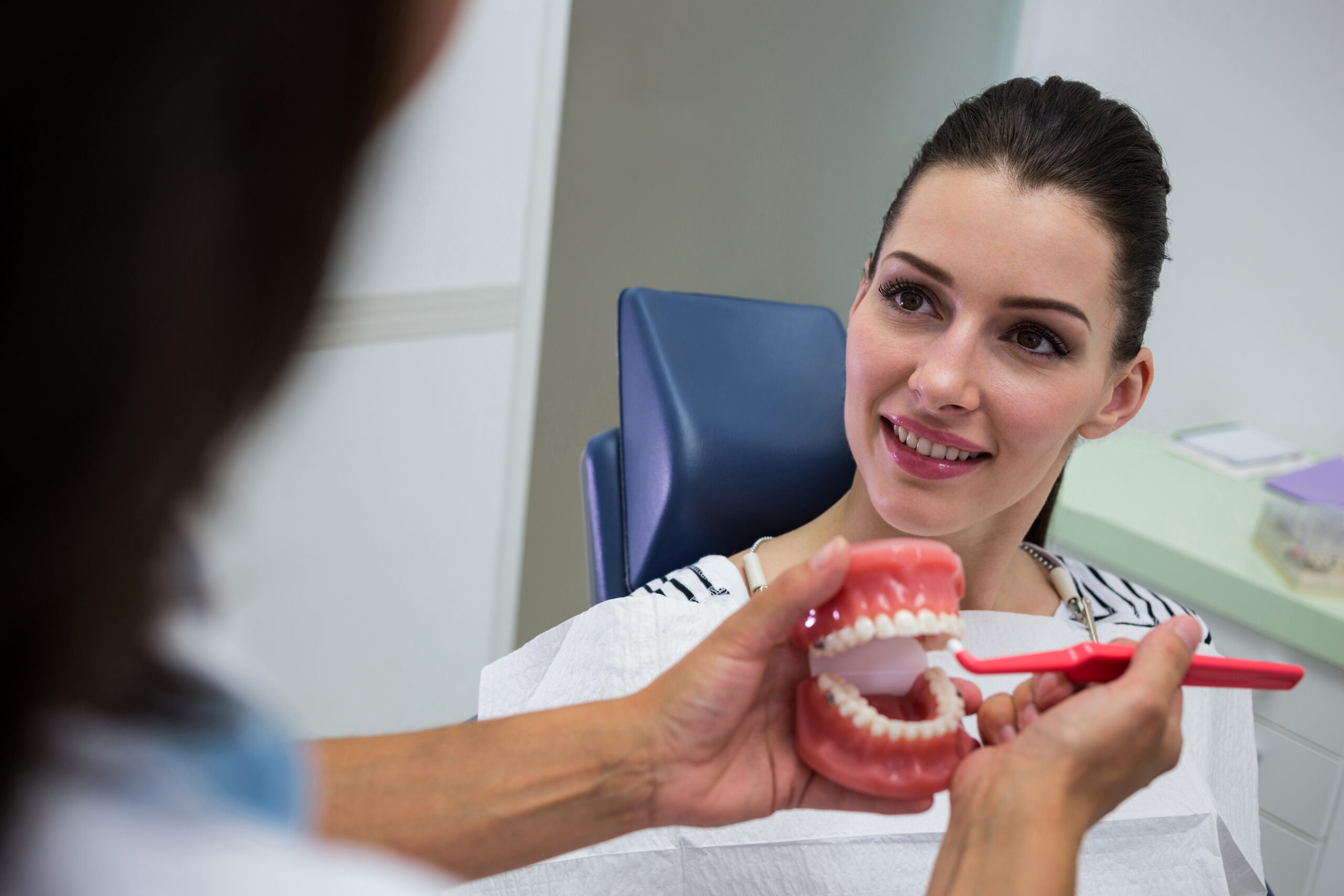
When gum disease progresses beyond gingivitis, deep cleaning becomes necessary. Also called scaling and root planing, this removes tartar and bacteria from below the gum line.
Scaling removes tartar from tooth surfaces and beneath gums. Root planing smooths rough spots on tooth roots where bacteria collect. Smooth surfaces make it harder for bacteria to adhere and easier for gums to reattach.
The procedure is done under local anesthesia for comfort. Depending on the extent of disease, we may treat your entire mouth in one visit or divide treatment across several appointments. Afterward, gums typically feel tender for a few days.

After treatment, ongoing maintenance is essential. Regular periodontal maintenance cleanings, typically every three to four months, keep bacteria levels controlled and prevent disease recurrence.
These appointments involve cleaning below the gum line, measuring pocket depths to monitor disease progression or improvement, and removing new tartar accumulation. More frequent cleanings are necessary because gum disease increases your susceptibility to bacterial buildup.
Professional treatment alone isn’t enough. Daily home care is critical for controlling periodontal disease. Brush twice daily with a soft-bristled brush and fluoride toothpaste. Pay attention to the gum line where bacteria accumulate.
Floss daily to remove plaque and food from between teeth and under the gum line. If traditional floss is difficult, try floss picks, interdental brushes, or water flossers.
Antibacterial mouthwash can help reduce bacteria levels. We may prescribe special rinses for periods after deep cleaning.

When deep cleaning alone doesn’t adequately control disease, additional treatments may be needed. Antibiotic therapy can supplement mechanical cleaning. We can place antibiotics directly into periodontal pockets or prescribe oral antibiotics for more widespread infection.
For severe cases, surgical intervention may be necessary. Flap surgery accesses deep pockets for thorough cleaning. Bone grafting can rebuild lost bone. Gum grafting covers exposed roots.

Gum disease links to several systemic health conditions. Research connects periodontal disease to heart disease, stroke, diabetes complications, respiratory disease, and pregnancy complications.
The connection likely involves inflammation and bacteria. Inflamed gums provide a pathway for bacteria to enter the bloodstream and affect other body areas. Managing gum disease may help reduce risk for these conditions, though research continues to clarify these relationships.