Smile dissatisfaction affects confidence in social and professional situations. Modern cosmetic dentistry offers solutions for stained teeth, gaps, chips, and alignment issues. Treatment selection depends on specific concerns, budget considerations, and desired timelines. Understanding available options guides informed decision-making.
1. Teeth Whitening Solutions
There are 3 main teeth whitening options to choose from. They are listed as follows:
- Professional whitening removes years of staining from coffee, tea, wine, and tobacco. Bleaching agents containing hydrogen peroxide or carbamide peroxide penetrate enamel reaching discolored molecules. Chemical reactions break apart stain compounds lightening tooth color.
- In-office whitening delivers immediate results in single appointments. High-concentration bleaching gel applies to teeth for 60 to 90 minutes. Light or heat activation accelerates the chemical process. Teeth lighten three to eight shades during one session.
- Take-home whitening kits provide gradual improvement over two to four weeks. Custom trays fit precisely to teeth ensuring even gel distribution. Lower concentration gels wear overnight or for several hours daily. This method suits patients preferring convenience and lower cost.
Effectiveness and Side Effects of Teeth Whitening
- Whitening effectiveness depends on stain type and tooth structure. Yellow-toned teeth respond better than gray-toned discoloration. Surface stains from food and drink lighten more readily than intrinsic staining. Tetracycline staining and fluorosis prove more challenging requiring extended treatment.
- Sensitivity represents the primary whitening side effect. Bleaching agents temporarily open microscopic tubules in enamel. Exposed dentin reacts to temperature changes causing discomfort. Desensitizing toothpastes and reduced treatment frequency manage sensitivity.
- Results last six months to two years depending on diet and habits. Coffee and red wine consumption accelerates stain recurrence. Smoking causes rapid re-staining. Touch-up treatments maintain brightness with minimal effort and cost.
- Cost considerations include professional versus over-the-counter options. In-office treatments range from $500 to $1,000. Take-home professional kits cost $300 to $600. Drugstore products provide limited results at $20 to $100. Professional supervision ensures safety and effectiveness.
2. Porcelain Veneers
Veneers transform smiles through thin porcelain shells bonding to front tooth surfaces. These custom restorations correct color, shape, size, and minor alignment issues. Porcelain mimics natural enamel in translucency and light reflection creating natural appearances.
Treatment begins with comprehensive smile design. Digital imaging shows predicted outcomes before treatment begins. Tooth preparation removes thin enamel layers creating space for veneers. Temporary veneers protect teeth during laboratory fabrication.
Minimal preparation veneers require less tooth reduction than traditional versions. Some cases allow no-prep application preserving maximum natural structure. These options suit specific situations where adequate space exists naturally.
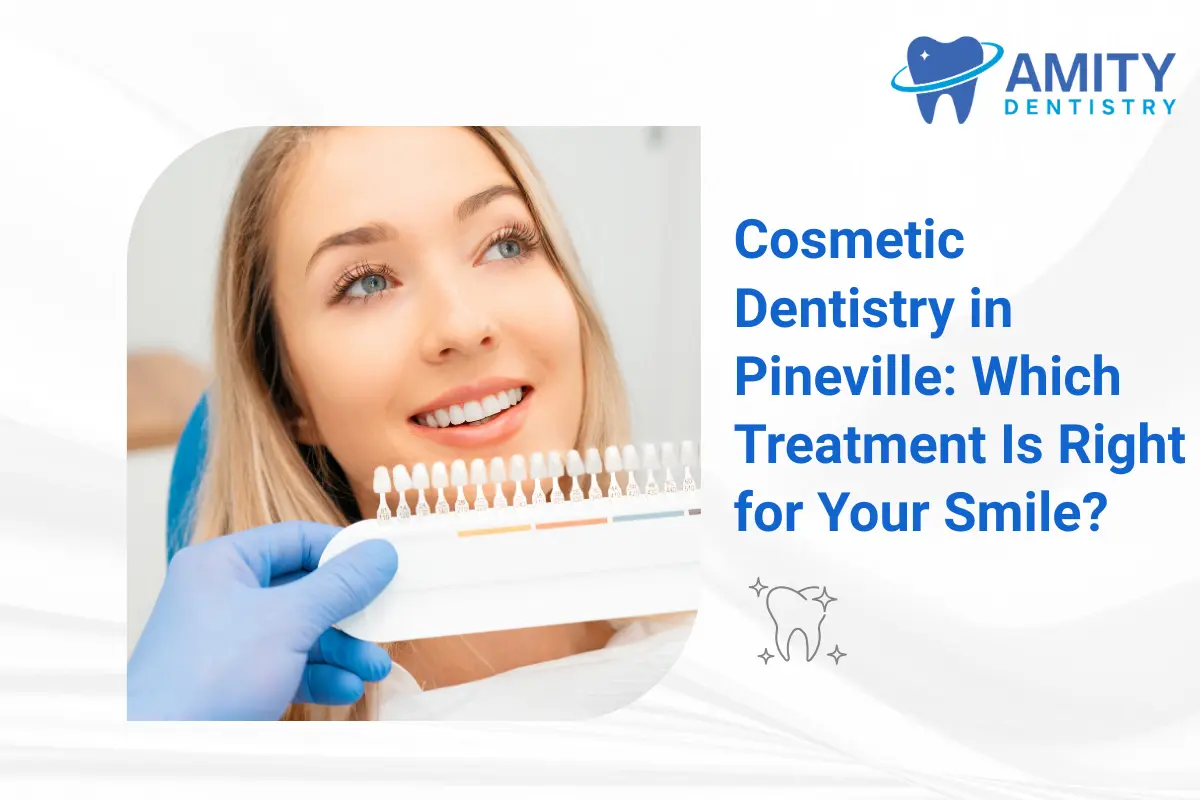
Color selection matches surrounding teeth or creates uniformly bright smiles. Porcelain shade guides and photographs ensure accurate communication. Custom characterization adds natural variation preventing artificial uniformity. Final shade verification occurs before permanent bonding.
Bonding procedures permanently attach veneers using dental cement. Tooth surfaces undergo etching creating microscopic retention. Resin cement cures under specialized lights forming chemical bonds. Proper technique ensures decades of service.
Longevity of Veneers
- Veneer longevity averages 10 to 20 years with proper care. Porcelain resists staining, maintaining original color indefinitely. Avoiding excessive force prevents chipping or fracture. Regular dental visits monitor conditions enabling early intervention if problems develop.
- Candidates include those with stained, chipped, gapped, or slightly misaligned teeth. Adequate enamel must exist for bonding. Severe grinding or clenching may preclude veneers without additional protection. Consultation determines individual suitability.
3. Dental Bonding Applications
Composite bonding repairs chips, closes gaps, and reshapes teeth in single appointments. Tooth-colored resin material sculpts directly onto teeth. This conservative approach preserves natural tooth structure while delivering immediate improvements.
Treatment requires minimal preparation. Tooth surfaces undergo slight roughening improving bonding. Composite resin applies in layers matching natural tooth shades. Each layer hardens under curing lights building desired shape and contour.
Artistic skill determines bonding success. Dentists sculpt and polish composite creating seamless transitions to natural enamel. Color matching ensures invisible repairs. Multiple shades layer creating depth and translucency.
Bonding suits small cosmetic corrections. Single chipped teeth repair affordably. Minor gaps close without orthodontics. Misshapen teeth gain improved contours. These quick fixes deliver significant aesthetic improvements.
Durability and Maintenance of Dental Bonding
- Durability limitations exist compared to porcelain restorations. Composite withstands normal chewing forces but chips more easily than veneers. Staining occurs over time from coffee, tea, and smoking. Lifespan averages five to seven years before replacement or touch-up becomes necessary.
- Maintenance involves avoiding excessive force on bonded areas. Biting hard foods with front teeth risks damage. Regular polishing during dental cleanings maintains appearance. Touch-up procedures refresh worn or stained bonding inexpensively.
- Cost effectiveness makes bonding attractive. Single-tooth repairs range from $200 to $600. Multiple teeth receive proportional pricing. This affordability suits budget-conscious patients seeking improvement without major investment.
4. Braces and Aligners
Traditional metal braces correct complex alignment and bite issues. Brackets bonded to teeth connect via wires applying gradual pressure. Periodic adjustments move teeth into desired positions. Treatment duration averages 18 to 24 months.
Ceramic braces function identically to metal versions with tooth-colored brackets. These less visible options appeal to adults seeking discretion. Slightly higher costs and potential brittleness represent trade-offs. Treatment timelines match metal braces.
Clear aligner systems including Invisalign use removable plastic trays. Sequential trays progressively move teeth. Removal for eating and cleaning provides lifestyle advantages. Compliance determines success as trays must wear 22 hours daily.
Suitability and Treatment with Aligners
- Aligner suitability depends on case complexity. Mild to moderate crowding and spacing respond excellently. Severe rotations or bite corrections may require traditional braces. Comprehensive evaluation determines appropriate systems.
- Treatment duration with aligners averages 12 to 18 months. Simple cases finish faster while complex situations extend longer. Virtual treatment planning predicts timelines accurately. Adherence to wear schedules ensures predicted completion.
- Retention follows active treatment preventing relapse. Retainers wear nightly indefinitely maintaining results. Teeth naturally shift without retention erasing treatment gains. Lifetime commitment to retention proves essential.
- Investment varies with treatment complexity and system choice. Traditional braces cost $3,000 to $7,000. Clear aligners range $3,500 to $8,000. Payment plans spread costs making orthodontics accessible. Many cases qualify as tax-deductible medical expenses.
5. Dental Crowns
Crowns restore severely damaged or cosmetically flawed teeth. These full-coverage restorations encircle entire visible tooth structures. Porcelain, ceramic, or zirconia materials create natural appearances with exceptional strength.
Indications include large fillings, cracks, root canal treated teeth, and cosmetic enhancement. Crowns strengthen weakened teeth preventing fractures. Uniform color and shape transform misshapen or discolored teeth aesthetically.
Preparing Dental Crowns
- Preparation involves reshaping teeth to accommodate crown thickness. All surfaces reduce by one to two millimeters. Impressions capture prepared tooth dimensions. Temporary crowns protect teeth during laboratory fabrication taking two to three weeks.
- Modern materials offer superior aesthetics. All-ceramic and zirconia crowns lack metal providing optimal light transmission. These materials bond strongly to tooth structure. Computer-aided design and manufacturing ensure precise fits.
- Cementation permanently attaches crowns using dental adhesives. Proper fit verification ensures comfort and function. Bite adjustments prevent interference with opposing teeth. Final polishing creates smooth comfortable surfaces.
Lifespan and Costs
- Crown lifespan averages 10 to 15 years with proper care. Avoiding hard foods and ice prevents fractures. Good oral hygiene prevents decay at crown margins. Regular dental monitoring identifies issues early.
- Per-crown costs range from $1,000 to $3,000 depending on materials and clinics. Front teeth typically use all-ceramic for aesthetics. Back teeth may use stronger materials prioritizing function. Insurance often covers portions when crowns restore function.
6. Gum Contouring
Excessive gum tissue creates short teeth and gummy smiles. Gum contouring surgically reshapes gum lines exposing more tooth structure. Laser or traditional surgical techniques remove excess tissue revealing balanced proportions.
Treatment planning involves smile analysis and measurements. Digital design shows predicted outcomes. Symmetry and proper tooth-to-gum ratios guide tissue removal. Conservative approaches prevent over-correction.
Laser gum contouring offers advantages over traditional surgery. Precision removal with minimal bleeding occurs. Faster healing and reduced discomfort benefit patients. Laser energy simultaneously cuts and cauterizes tissue.
Procedure duration depends on the extent of contouring needed. Single-tooth corrections complete in 30 minutes. Full-smile reshaping requires 60 to 90 minutes. Local anesthesia ensures comfort throughout procedures.
Recovery and Results
- Recovery involves minor discomfort managed with over-the-counter medications. Soft diet for several days prevents irritation. Excellent oral hygiene maintains healing areas. Complete healing occurs within two weeks.
- Results immediately improve smile aesthetics. Teeth appear longer and more proportional. Gum lines achieve symmetry and balance. These permanent changes enhance confidence significantly.
- Combination treatments pair contouring with veneers or crowns. Removing excess gum creates space for restorations. This comprehensive approach optimizes final aesthetics. Sequencing procedures ensures best outcomes.
- Investment ranges from $300 to $3,000 depending on treatment extent. Per-tooth pricing applies for limited corrections. Full-smile contouring costs more reflecting time and complexity. Cosmetic procedures typically lack insurance coverage.
Smile Makeover Planning
Comprehensive smile makeovers combine multiple treatments addressing all aesthetic concerns. Initial consultations identify priorities and develop phased treatment plans. Digital smile design previews final results before treatment begins.
Sequencing procedures optimizes outcomes and patient experience. Foundation treatments including orthodontics precede final restorations. Gum procedures establish proper frameworks. Restorative work completes transformations.
Phased approaches spread costs and treatment time. Essential corrections occur first. Enhancement procedures follow as budgets allow. Flexible planning accommodates financial and schedule constraints.
Team coordination ensures seamless care. General dentists, specialists, and laboratory technicians collaborate. Communication maintains consistent vision throughout treatments. This coordination delivers predictable excellent results.
Timeline considerations balance urgency with thoroughness. Simple makeovers complete in weeks. Complex cases requiring orthodontics extend over years. Realistic expectations prevent disappointment.
Maintenance programs preserve makeover investments. Professional cleanings and examinations monitor restoration conditions. Protective appliances prevent grinding damage. Touch-ups refresh treatments maintaining appearance.
Selecting Appropriate Treatments
- Budget constraints influence choices. Bonding provides economical quick fixes. Veneers deliver premium long-lasting results. Understanding cost-benefit relationships informs decisions. Discussing budgets openly enables appropriate recommendations.
- Timeline requirements affect treatment paths. Immediate events including weddings favor quick solutions. Long-term improvements justify extended orthodontic treatments. Balancing urgency with optimal outcomes guides planning.
- Maintenance willingness matters. Some treatments require minimal upkeep while others demand diligence. Whitening needs periodic refreshing. Veneers function decades with basic care. Honest assessment of commitment prevents poor outcomes.
- Existing dental health affects treatment feasibility. Decay and gum disease require resolution before cosmetic work. Structural problems need addressing first. Comprehensive examinations identify necessary foundation treatments.
- Personal preferences regarding invasiveness guide choices. Conservative patients prefer bonding over veneers. Others accept preparation for superior longevity. Discussing comfort levels ensures satisfaction.
- Professional recommendations balance desires with dental realities. Dentists provide honest assessments of achievable outcomes. Unrealistic expectations receive redirection toward feasible alternatives. Trust in professional guidance produces best results.
Cosmetic Dentistry in Pineville at Amity Dentistry
Amity Dentistry offer consultations to discuss your concerns, examine your teeth, and explain possible treatments with transparent pricing for our services. We provide smile design & planning before moving to any treatment procedures like teeth whitening, veneers or bonding and invisalign at our local dentistry in Pineville, Charlotte NC.
Need expert cosmetic dental care in Charlotte? Our team provides gentle, professional service. Call 980-423-1244 and Book Now.
FAQs
- How long do cosmetic dentistry results last?
Duration varies by treatment type. Whitening lasts 6 months to 2 years. Bonding averages 5-7 years. Veneers endure 10-20 years. Crowns last 10-15 years. Orthodontic results prove permanent with proper retention. Maintenance and care significantly influence longevity.
- Does cosmetic dentistry hurt?
Most procedures involve minimal discomfort. Local anesthesia eliminates pain during treatment. Whitening may cause temporary sensitivity. Preparation procedures create mild soreness. Post-treatment discomfort responds to over-the-counter pain relievers. Serious pain is uncommon and warrants immediate contact.
- Will insurance cover cosmetic dentistry?
Insurance rarely covers purely cosmetic procedures. However, treatments restoring function may receive partial coverage. Crowns on damaged teeth often qualify. Orthodontics for severe bite issues may be covered. Reviewing specific policy terms clarifies benefits before treatment.
- How do I get started with cosmetic dentistry in Pineville?
Amity Dentistry offers comprehensive cosmetic consultations in Pineville. Our team evaluates your concerns, discusses goals, and recommends personalized treatment plans. We utilize the latest technology and techniques delivering beautiful natural results. Schedule your consultation today to begin your smile transformation journey.