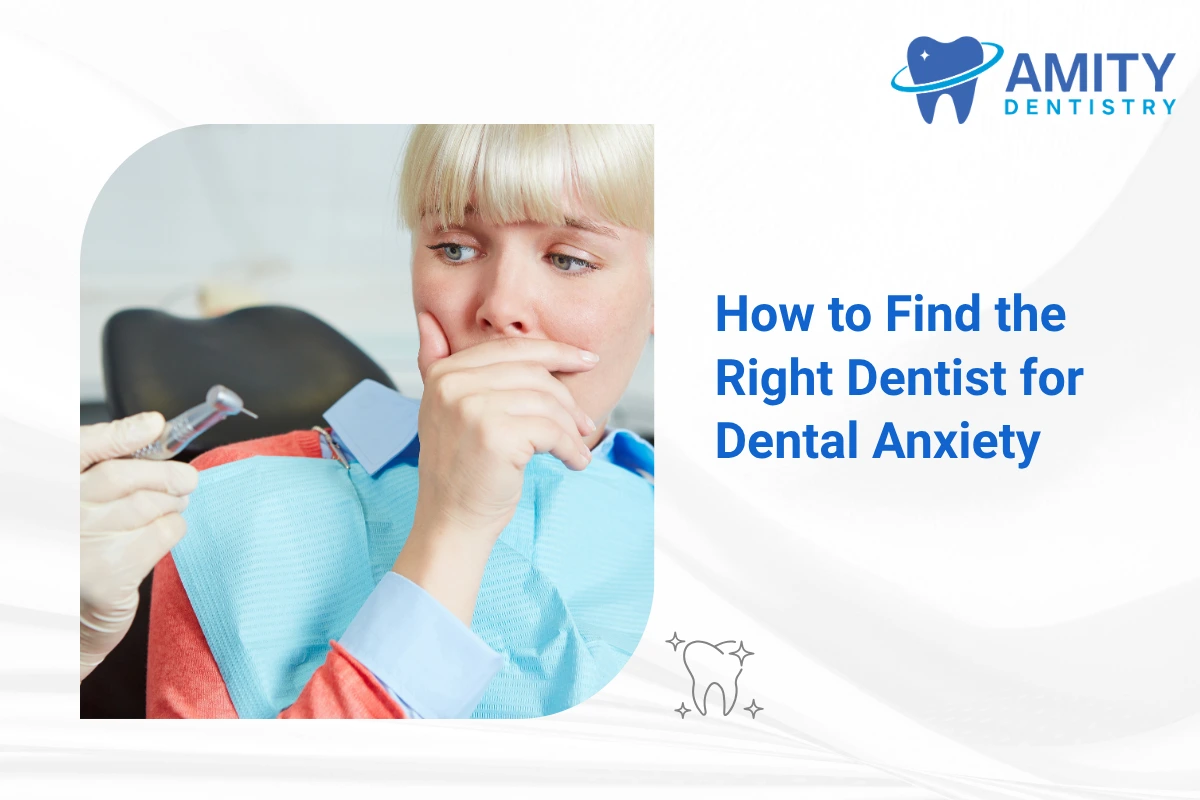
For some people, dental anxiety begins long before the appointment. A simple checkup can bring back memories of pain, unfamiliar sounds, needles, or feeling uncomfortable in the dental chair. You may know that you need care, yet still feel tempted to postpone the visit.
Choosing the right dental professional can make a meaningful difference. A compassionate dentist will listen to your concerns, explain your treatment clearly, and help you feel more comfortable at every stage.
Quick Summary: Dentist for Dental Anxiety
- Identify your triggers: Fear of pain, needles, sounds, past experiences, judgment, or losing control can all contribute to dental anxiety.
- Talk about anxiety early: Tell the dental office about your concerns when booking and ask what to expect during your first visit.
- Choose a patient-focused dentist: Look for a dentist who listens, explains treatment clearly, allows breaks, and respects your need to pause.
- Ask questions before treatment: Understanding the procedure, expected sensations, duration, and available options can reduce uncertainty.
- Discuss comfort options: Depending on your needs, support may include breaks, numbing, relaxation techniques, shorter appointments, or medically appropriate sedation.
- Prepare for your appointment: Write down concerns, arrive early, bring headphones if helpful, and agree on a stop signal with your dentist.
- Check reviews for patient experiences: Look beyond star ratings for repeated comments about gentle care, communication, and support for nervous patients.
- Take treatment at a manageable pace: Complex care can sometimes be divided into shorter or spaced-out appointments to help build confidence.
- For Pineville and Charlotte patients: Amity Dentistry provides personalized dental care with a focus on comfort, communication, and patient well-being.
Recognize What Makes You Nervous
Dental anxiety can develop for many reasons, as also mentioned in this research paper by PubMed Central. You may have had a difficult experience in the past, worry about discomfort, or feel uneasy because you do not know what to expect.
Common concerns include:
- Fear of injections or dental instruments.
- Sensitivity to sounds, smells, or touch.
- Worry about pain during treatment.
- Embarrassment about delayed dental care.
- Concern about being judged.
- Fear of losing control in the dental chair.
- Anxiety about treatment costs or unexpected procedures.
Knowing what triggers your anxiety makes it easier to communicate with your dentist. You do not need to feel embarrassed or apologize for being nervous. Your concerns are important and should be taken seriously.
Start With a Comfortable Conversation
When searching for dentists for dental anxiety, do not wait until you are sitting in the dental chair to mention your fears. Tell the office when you schedule your appointment.
You could say: “I feel anxious about dental treatment and would appreciate a gentle, step-by-step approach.”
Then ask what will happen during your first visit. You may prefer to begin with a consultation and examination rather than treatment. A helpful dental team should answer your questions patiently and explain how they support anxious patients.

The first conversation often gives you an early impression of the practice. If the team listens carefully and responds without judgment, you may feel more confident about moving forward.
Choose a Dentist for Nervous Patients
A dentist for nervous patients understands that comfort and trust take time. They will not rush you, dismiss your concerns, or make it difficult for you to ask questions.
During your appointment, you should be able to:
- Ask for an explanation before treatment begins.
- Agree on a hand signal to pause the procedure.
- Request breaks when necessary.
- Discuss different treatment options.
- Tell the dentist when you feel uncomfortable.
- Take part in decisions about your care.
Clear communication can make a dental visit feel more predictable. When you understand what is happening and know that you can ask the dentist to pause, you may feel more in control.
Find a Dentist for Scared Adults
Many adults avoid dental care because they fear criticism. They may worry about cavities, missing teeth, gum disease, or the amount of treatment they might need.
A dentist for scared adults should focus on helping you, not judging you. Your dental history does not define you, and you should feel comfortable discussing your concerns honestly.
Your first visit may simply involve:
- Talking about your dental history and anxiety.
- Completing a gentle examination.
- Reviewing the dentist’s findings.
- Discussing possible treatment options.
- Creating a gradual plan that suits your comfort level.
Treatment does not always need to happen all at once. In some cases, shorter or spaced-out appointments can help you build confidence step by step.
Ask Questions Before Treatment
Uncertainty can make dental anxiety stronger. Before beginning a procedure, ask your dentist to explain what will happen and how long it may take.
Consider asking:
- What will happen first?
- Will I receive local anesthetic?
- What sensations might I feel?
- How long will the procedure last?
- Can we take breaks?
- What should I do if I become uncomfortable?
- Can treatment be divided into multiple appointments?
- Are there alternative treatment options?
A caring dentist will not make you feel uncomfortable for asking questions. They will use clear language and give you the information you need to make an informed decision.
Discuss Comfort Options
Different patients need different forms of support. Some feel more relaxed after receiving a detailed explanation, while others benefit from music, breaks, shorter appointments, or additional anxiety-management options.
When speaking with a dentist for anxiety patients, ask whether the practice provides:
- A consultation before treatment.
- Regular comfort check-ins.
- Breaks during longer procedures.
- A hand signal to pause treatment.
- Numbing options.
- Relaxation techniques.
- Sedation options when medically appropriate.
The best option depends on your medical history, anxiety level, and the procedure involved. Your dentist should discuss these possibilities with you and explain which options may be suitable.
Support for High Anxiety Patients
If you experience severe dental fear, look for a dentist for high-anxiety patients who is willing to create a personalized plan before treatment begins.
You may want to ask whether you can:
- Meet the dentist before having a procedure.
- Schedule a consultation-only appointment.
- Begin with a simple examination.
- Divide complex care into shorter visits.
- Bring a trusted person, if permitted.
- Take breaks during treatment.
- Discuss sedation or other comfort measures.
Agreeing on a stop signal before the appointment can provide reassurance. It reminds you that you can communicate throughout the procedure and that your comfort matters.
Look Beyond Online Ratings
Online reviews can help you understand how a dental practice treats its patients. Instead of focusing only on star ratings, look for comments about:
- Gentle and respectful care.
- Patient staff.
- Clear communication.
- Comfortable procedures.
- Support for nervous patients.
- Positive experiences with root canals, extractions, or emergency care.
Reviews cannot guarantee that every appointment will be identical, but repeated comments about kindness and communication can help you identify a patient-focused practice.
Prepare for Your First Visit
A little preparation can help make your appointment feel less overwhelming.
Before you go:
- Mention your anxiety when booking.
- Write down your questions and concerns.
- Ask how long the appointment may last.
- Arrive early so you do not feel rushed.
- Bring headphones if music helps you relax.
- Wear comfortable clothing.
- Arrange support from a trusted person if allowed.
- Agree on a hand signal for pausing treatment.
You are also allowed to speak up during the appointment. Ask for an explanation, request a break, or tell the dentist how you are feeling. Open communication helps the dental team care for you more effectively.
Consider Comprehensive Dental Care
If you need ongoing or complex treatment, you may prefer a practice that provides several services in one location. Preventive care, restorative dentistry, root canal therapy, periodontal treatment, dental implants, cosmetic procedures, surgical dentistry, and emergency care may all be part of a comprehensive dental practice.
Seeing the same dental team for different needs can make future appointments feel more familiar. Over time, familiar faces and a predictable process may help reduce dental anxiety.
Take the First Step
You do not need to overcome your fear before contacting a dentist. Begin with a simple conversation about your concerns and ask how the practice supports anxious patients. The right dentist will listen without judgment, explain your options, and help you move forward at a pace that feels manageable.
For patients in Pineville, Charlotte, and surrounding communities, Amity Dentistry offers personalized dental care in a supportive environment focused on comfort and well-being.
Led by Dr. Arati Shrestha, who has more than 15 years of experience, the practice provides comprehensive care to help patients feel comfortable and confident about their smiles.
A calmer dental experience can begin with one honest conversation, and one small step toward the care you deserve.