After a dental deep cleaning, mild soreness may last a day or two, and tooth sensitivity may last up to about a week. Those are common ranges, not a deadline for everyone. Follow your treating team’s instructions, and contact the office about symptoms that are severe, worsening, or not settling as expected.
Why does deep cleaning feel different from a routine cleaning?
Scaling and root planing is treatment below the gumline for gum disease. It is different from a routine cleaning. According to the American Dental Association, treatment may require more than one appointment and local anesthetic.
The National Institute of Dental and Craniofacial Research explains that gum-disease treatment aims to control infection. The plan depends on how much disease is present. If you are unsure why deep cleaning was recommended, ask the dentist to explain the gum measurements and other findings behind the decision.
What sensations may occur afterward?
The ADA describes temporary soreness, sensitivity, tender or swollen gums, and some bleeding after scaling and root planing. Your experience may differ from someone else’s; the trend and your treating team’s expectations matter as well as the number of days.
Before the appointment ends, ask what the team expects in your case and how to reach them. If you call later, describe what you notice, where it is happening, when it began, and whether it is improving or worsening. Clear details help the team decide the next step.
Do not dismiss a concern just because someone online had a similar symptom. Your treating clinician knows which areas were treated and what instructions apply to you.
What about eating and numbness?
If local anesthetic was used, ask the team when to eat and drink and how to protect the numb area. NHS guidance on local anesthetic cautions that you may not notice an injury until sensation returns. Be careful with your lips, cheeks, and tongue, and follow the instructions given for your procedure.
If your mouth feels tender once it is safe to eat, softer foods may feel more comfortable. Options might include yogurt, scrambled eggs, or mashed potatoes. You do not need to force your usual crunchy meal. Ask the team about food temperature or other adjustments if sensitivity makes eating difficult; this is comfort guidance rather than a prescribed recovery diet.
How should you clean your teeth at home?
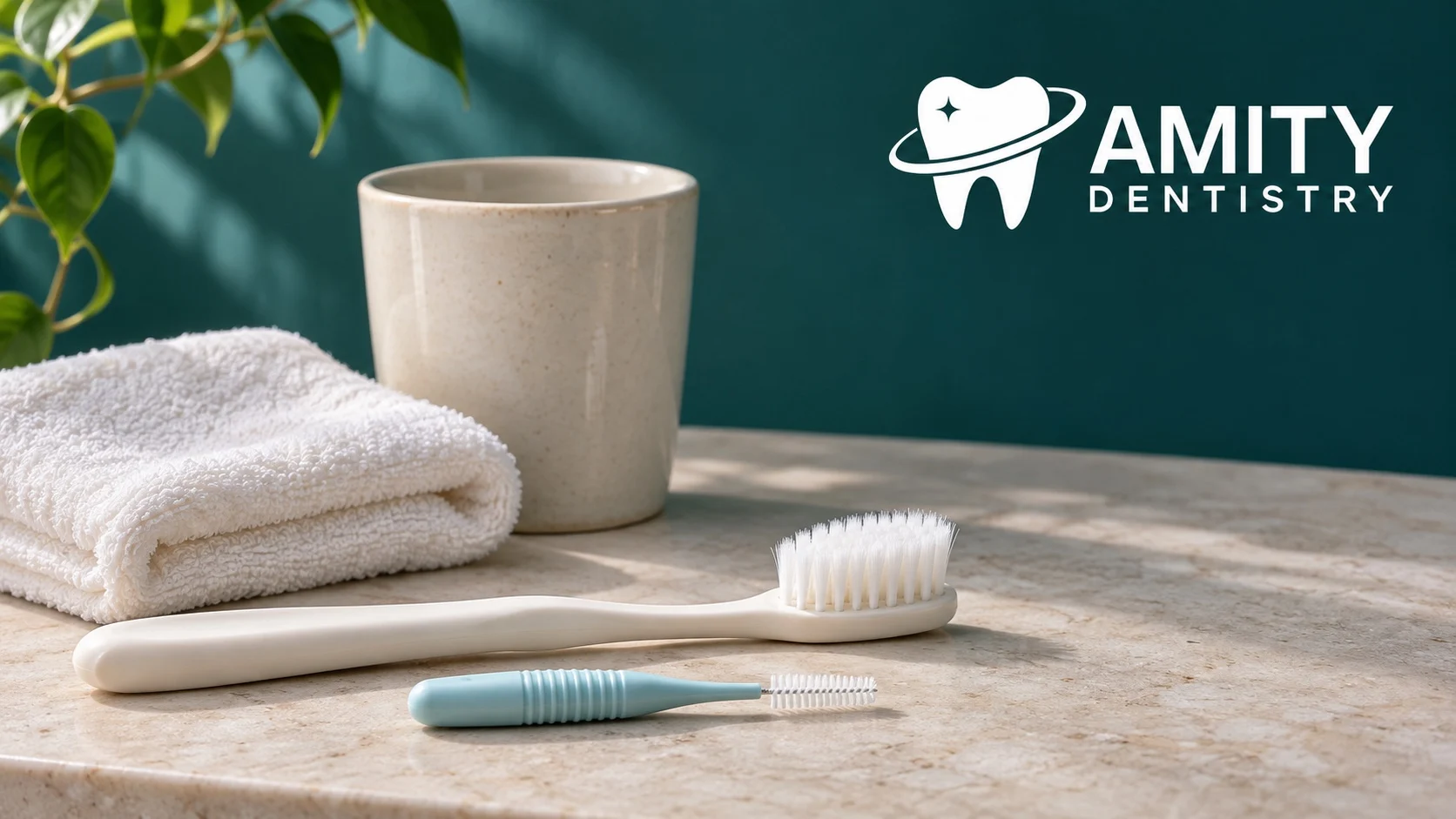
Ask for instructions that fit the treated areas and your usual routine. NIDCR’s gum-health guidance recommends brushing twice daily with fluoride toothpaste and cleaning between teeth. Use a soft brush gently and follow any temporary adjustments your clinician gives you after treatment.
If floss feels difficult to use, tell the team. NIDCR describes alternatives such as interdental brushes and professionally recommended water flossers. Ask which tool and technique fit your mouth instead of buying several products and guessing.
Use a prescribed rinse or medicine exactly as directed. Check before adding another product, and tell the office if instructions are unclear. More products do not necessarily make a care plan easier to follow.
Why is the follow-up appointment important?
Feeling more comfortable is encouraging, but it does not replace a professional reassessment. The ADA explains that a follow-up visit checks healing and measures the gum pockets again. Some people need additional treatment or a different ongoing care schedule.
Bring your questions to that visit: Which areas improved? What still needs attention? Is your home-care technique working? If your schedule or hand mobility makes the routine difficult, say so. A practical plan needs to fit your life.
Tobacco can interfere with gum healing, according to NIDCR. Let the team know about tobacco use and health changes so those factors can be considered without judgment.
When should you call for help?
Call your treating dental team about increasing pain, worsening swelling, fever, or bleeding that concerns you. Explain when the symptoms started and whether they are changing. If the office is closed, follow its after-hours instructions or seek urgent dental care.
Trouble breathing or swallowing, or major swelling in the mouth, needs emergency medical help. Call 911 or go to an emergency department. The NHS lists these as emergency warning signs of a possible dental infection. They should not be treated as routine deep-cleaning recovery.
Frequently asked questions
How long should sensitivity last?
The ADA describes sensitivity lasting up to about a week and soreness for a day or two. Your recovery can differ. Contact the team if symptoms worsen, persist beyond what you were told to expect, or worry you.
Can I brush if my gums feel tender?
Ask how to clean the treated areas gently and follow those instructions. Do not assume that tenderness means you should abandon home care, or that scrubbing harder will help.
Do I need an antibiotic or special mouthwash?
Not everyone receives the same prescription. Use medicines or rinses only as directed for you, and ask the clinician about anything you are considering adding to the routine.
Will I need another deep cleaning?
That depends on the condition of your gums and the response to treatment. Keep the reassessment visit so the dentist can explain whether further treatment or ongoing periodontal maintenance is recommended.
Can I return to ordinary cleanings afterward?
Your ongoing care schedule should reflect your gum-health needs. Ask which type of visit is being recommended, how it differs from a routine cleaning, and why that interval is appropriate.
Plan your next step with Amity Dentistry
Amity Dentistry provides periodontal care in South Charlotte. If you have questions about a recommended deep cleaning or follow-up, call (980) 423-1244 or request an appointment. The team will confirm availability. For concerns after treatment, contact the clinician who treated you.
For related reading, explore talking with your dentist about dental anxiety. If you use clear retainers, our guide to retainer care after Invisalign covers cleaning and follow-up. If you are considering whitening later, learn how sensitivity and existing fillings or crowns affect whitening plans and raise those questions at your dental visit.
This article provides general information and does not replace your clinician’s aftercare instructions or an individual examination.