The short answer
Dental bonding often suits small chips, gaps, or uneven edges and usually preserves more tooth structure. Porcelain veneers can make broader changes to shape and color, but traditional veneers require permanent enamel removal. The right choice depends on your teeth, bite, goals, budget, and maintenance.
Maybe one front tooth catches your eye in every photo. Or you like your smile but wish the edges looked more even. Those are different starting points, and they do not necessarily call for the same treatment.
How much do you want to change, and what would that mean for your natural teeth? Those questions can help you weigh bonding against veneers. Amity Dentistry offers both as part of our cosmetic dental care in Charlotte, near Pineville.
Jump to: The comparison · Tooth preparation · Cost and upkeep · Questions to ask
What is the difference?
With bonding, a dentist shapes tooth-colored composite resin directly onto a tooth. It can be used to repair a small chip, close a small gap, or adjust an edge. Think of it as a targeted change when the rest of the tooth already looks and functions well.
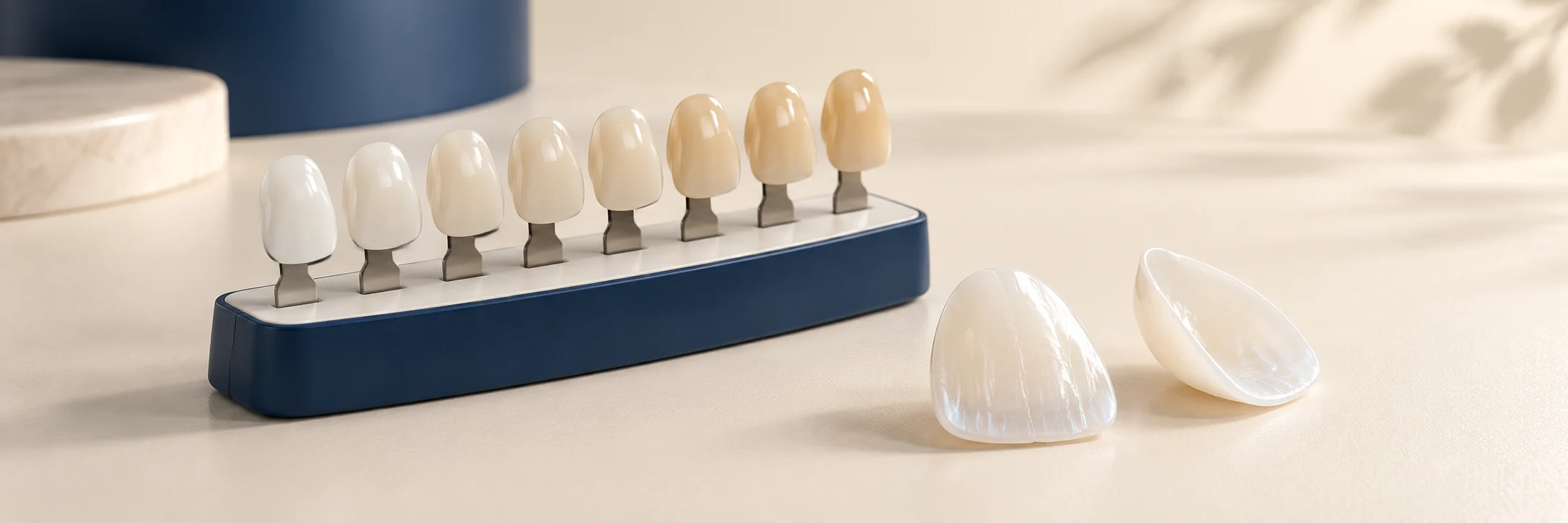
A porcelain veneer is a custom-made covering attached to the front of a tooth. It can change the visible surface more extensively. You may also hear about composite veneers: these use resin over a larger part of the front surface. That is why it helps to ask exactly what a proposed “bonding” treatment includes. The material and the amount of coverage are separate questions. The Canadian Dental Association explains these distinctions.
Dental bonding vs veneers at a glance
| Compare | Composite bonding | Porcelain veneers |
|---|---|---|
| Type of change | Often used for smaller, localized changes. | Can change more of the visible tooth surface. |
| Tooth prep | Often needs little or no enamel removal. | Traditional veneers require enamel removal. |
| Stains and wear | Can stain, chip, or wear over time. | Generally more resistant to stains and wear. |
| Repair | Often easier to repair or touch up. | Damage may require replacement. |
| Initial cost | Generally lower. | Generally higher. |
A small concern may need only a small change. The comparison is a starting point for that conversation. Cleveland Clinic’s bonding guide explains the material’s benefits and limitations.
Ask what will happen to your natural tooth
This is one of the most important parts of the conversation. With traditional porcelain veneers, the dentist removes a small amount of enamel to make room for the restoration. That change cannot be undone.
Bonding often preserves more tooth structure, but do not assume every procedure is completely reversible. Ask whether the plan includes reshaping, removing enamel, or replacing an existing restoration. If “no-prep veneers” are suggested, ask what preparation your specific teeth would still need.
The American Dental Association’s veneer guidance also emphasizes treating decay and gum disease first. Grinding, clenching, and a deep bite can affect suitability. Cosmetic work should follow that assessment, not replace it.
Start with the change you actually want
One chipped edge: ask whether a small bonded repair would address it. You may not need to cover the whole front of the tooth. Our dental bonding guide explains the basics.
Color, shape, and several uneven teeth: discuss the options together. Veneers may be worth considering, but the dentist should explain why they suit your teeth and what a more conservative plan could achieve.
Mostly a color concern: ask about whitening. If you want a lighter overall shade, mention that before bonding or veneer colors are selected. Whitening changes natural teeth; existing tooth-colored restorations do not respond the same way. Ask your dentist how to sequence treatment and when to choose the final shade. See the ADA’s explanation of whitening and restorations.
Crowding or a bite concern: ask whether orthodontic treatment makes more sense. Covering the visible surface of a tooth does not move it into a new position. Braces and aligners work by moving teeth. A badly damaged tooth may need restorative treatment instead of a cosmetic covering.
Compare the upkeep as well as the price
Bonding generally costs less upfront than porcelain veneers. The total still depends on the number of teeth, the extent of the work, and any treatment needed beforehand. A price for one small repair is not a useful comparison with a plan for several veneers.
Ask for a written estimate that explains what is included, whether follow-up adjustments are covered, and how future repairs or replacements are charged. Insurance benefits depend on the plan and the reason for treatment; do not assume cosmetic work will be covered.
Both can need repairs or replacement over time. The condition of your teeth and habits such as grinding or biting hard objects affect how restorations hold up. Keep brushing, cleaning between your teeth, and seeing your dentist. If you grind your teeth, ask whether a night guard is appropriate. The Oral Health Foundation discusses veneer care and costs.
Five questions worth bringing to your consultation
- What is the smallest treatment that could address my concern? Ask what changes with each option and what stays the same.
- How much natural tooth would you remove? Have the dentist explain the preparation for your teeth.
- Does my bite make either option less suitable? Mention grinding, clenching, or previous chipped restorations.
- What would a repair or replacement involve? Talk about maintenance before committing.
- Should whitening or straightening come first? Agree on the sequence before choosing a shade or shape.
Bring a photo of your own smile and point out what bothers you. A reference photo can help explain a preference, but it is not a promise that another person’s result can be reproduced.
Still weighing the options? Our overview of cosmetic dental treatments explains other ways to approach changes in color, shape, and alignment.
Frequently asked questions
Can bonding look as natural as veneers?
Both can blend with surrounding teeth. The result depends on the starting tooth, the size of the change, shade selection, and how the restoration is shaped. Ask how each option would address your particular concern.
Which one lasts longer?
Porcelain generally lasts longer than composite, but an average is not a guarantee for an individual tooth. Ask your dentist what factors could shorten the life of your restoration and what maintenance to expect.
Can I whiten bonding or veneers later?
Whitening products do not change these materials the way they change natural teeth. If you want a brighter shade, discuss it before treatment. A later color change may require a different plan for the restorations.
Do I need veneers on every front tooth?
Not necessarily. Ask which teeth need treatment to meet your goals and why. The number should come from an examination and a specific plan, rather than an assumption that more treatment is better.
Can bonding close a small gap?
Sometimes. It depends on the gap, tooth proportions, and bite. Adding resin should still leave teeth that are easy to clean and fit together comfortably. A consultation can help establish whether bonding or a different approach makes sense.
Does teeth grinding rule out cosmetic treatment?
It needs to be part of the treatment discussion. Grinding can put extra pressure on teeth and restorations. Your dentist can assess the wear, explain the risks, and discuss whether protection or another approach is appropriate.
Talk through your options at Amity Dentistry
You do not need to choose bonding or veneers before booking a visit. Start with what you would like to change and the questions you want answered.
Request a cosmetic consultation or call (980) 423-1244. Amity Dentistry is at 7221 Pineville-Matthews Road, Suite 100, Charlotte, NC 28226, convenient to Pineville.
This guide provides general information. A dental examination is needed to recommend treatment for your teeth.
Sources and further reading
- Canadian Dental Association: Bonding & Veneers
- Cleveland Clinic: Dental Bonding
- American Dental Association: Veneers
- American Dental Association: Whitening
- American Dental Association: Orthodontics
- American Dental Association: Teeth Grinding
- Oral Health Foundation: Veneers
- University of Rochester: Should I Get Veneers?